



-
![Unique Cheap Clear Acrylic Block Frames]() Unique Cheap Clear Acrylic Block FramesAcrylic block frames have already entered our lives. Maybe you don't know that the crystal photo albums produced by the bridal shop are made of acrylic plexiglass. Today's acrylic block frames have
Unique Cheap Clear Acrylic Block FramesAcrylic block frames have already entered our lives. Maybe you don't know that the crystal photo albums produced by the bridal shop are made of acrylic plexiglass. Today's acrylic block frames have -
![Hot Selling Colored Solid Acrylic Block Frame]() Hot Selling Colored Solid Acrylic Block FrameLet a favourite memory be the centre of attention in your home or office by placing it in this stylish block photo frame.An alternative to using poster frames or art frames, acrylic blocks are
Hot Selling Colored Solid Acrylic Block FrameLet a favourite memory be the centre of attention in your home or office by placing it in this stylish block photo frame.An alternative to using poster frames or art frames, acrylic blocks are -
![Custom Perspex Clear Acrylic Block Frame]() Custom Perspex Clear Acrylic Block FrameWhen the picture frame meets the music box, the petty bourgeois life of fresh literature and art begins. Picture frames are small objects with good memories. A photo hosts a story.Clear acrylic
Custom Perspex Clear Acrylic Block FrameWhen the picture frame meets the music box, the petty bourgeois life of fresh literature and art begins. Picture frames are small objects with good memories. A photo hosts a story.Clear acrylic -
![Acrylic Light Box Led Letter Advertising LED Acrylic Wall Mounted Poster Frame Wholesale]() Acrylic Light Box Led Letter Advertising LED Acrylic Wall Mounted Poster Frame WholesaleAcrylic light box led letter advertising LED acrylic wall mounted poster frame wholesale Product description ♦ ♦ ♦ Our Advantage 1) we make acrylic products since 2010. 2) All of our products are
Acrylic Light Box Led Letter Advertising LED Acrylic Wall Mounted Poster Frame WholesaleAcrylic light box led letter advertising LED acrylic wall mounted poster frame wholesale Product description ♦ ♦ ♦ Our Advantage 1) we make acrylic products since 2010. 2) All of our products are -
![Acrylic Photo Blocks Frames Clear Magnetic Desk Picture Frames For Sale]() Acrylic Photo Blocks Frames Clear Magnetic Desk Picture Frames For SaleAcrylic photo blocks frames clear magnetic desk picture frames for sale Amazon hot selling clear solid logo acrylic display blocks stand with print Product description Acrylic photo blocks frames
Acrylic Photo Blocks Frames Clear Magnetic Desk Picture Frames For SaleAcrylic photo blocks frames clear magnetic desk picture frames for sale Amazon hot selling clear solid logo acrylic display blocks stand with print Product description Acrylic photo blocks frames -
![Custom Size Plexiglass Block Solid Award Acrylic Display Blocks For Sale]() Custom Size Plexiglass Block Solid Award Acrylic Display Blocks For SaleCustom size plexiglass block solid award acrylic display blocks for sale Amazon hot selling clear solid logo acrylic display blocks stand with print Product description ♦ ♦ ♦ Our Advantage 1) we make
Custom Size Plexiglass Block Solid Award Acrylic Display Blocks For SaleCustom size plexiglass block solid award acrylic display blocks for sale Amazon hot selling clear solid logo acrylic display blocks stand with print Product description ♦ ♦ ♦ Our Advantage 1) we make -
![Amazon Hot Selling Clear Solid Logo Acrylic Display Blocks Stand With Print]() Amazon Hot Selling Clear Solid Logo Acrylic Display Blocks Stand With PrintAmazon hot selling clear solid logo acrylic display blocks stand with print Amazon hot selling clear solid logo acrylic display blocks stand with print Product description ♦ ♦ ♦ Product Advantage 1)
Amazon Hot Selling Clear Solid Logo Acrylic Display Blocks Stand With PrintAmazon hot selling clear solid logo acrylic display blocks stand with print Amazon hot selling clear solid logo acrylic display blocks stand with print Product description ♦ ♦ ♦ Product Advantage 1) -
![Custom Size Printed High Quality Acrylic Block Photo Frames Photo Acrylic Blocks Square Photo Frames With Low Price]() Custom Size Printed High Quality Acrylic Block Photo Frames Photo Acrylic Blocks Square...Custom size printed high quality acrylic block photo frames photo acrylic blocks square photo frames with low price Why Choose us We are manufacture,we have specalized the acrylic area over ten years
Custom Size Printed High Quality Acrylic Block Photo Frames Photo Acrylic Blocks Square...Custom size printed high quality acrylic block photo frames photo acrylic blocks square photo frames with low price Why Choose us We are manufacture,we have specalized the acrylic area over ten years -
![Hot Sale Transparent Square Custom Acrylic Frames Acrylic Poster Holder Block Frame Wholesale]() Hot Sale Transparent Square Custom Acrylic Frames Acrylic Poster Holder Block Frame Who...Hot sale transparent square custom acrylic frames acrylic poster holder block frame wholesale Products we can supply: Acrylic Display Box, Packaging Box acrylic displays (such as cosmetic displays,
Hot Sale Transparent Square Custom Acrylic Frames Acrylic Poster Holder Block Frame Who...Hot sale transparent square custom acrylic frames acrylic poster holder block frame wholesale Products we can supply: Acrylic Display Box, Packaging Box acrylic displays (such as cosmetic displays, -
![China Suppliers Custom Hot Sale Acrylic Block Frames Acrylic Logo Frames Clear Resin Blocks Wholesale]() China Suppliers Custom Hot Sale Acrylic Block Frames Acrylic Logo Frames Clear Resin Bl...China suppliers custom hot sale acrylic block frames acrylic logo frames clear resin blocks wholesale Company introduction and our certifications Shenzhen Ouke A crylic Product Co,. Ltd . has founded
China Suppliers Custom Hot Sale Acrylic Block Frames Acrylic Logo Frames Clear Resin Bl...China suppliers custom hot sale acrylic block frames acrylic logo frames clear resin blocks wholesale Company introduction and our certifications Shenzhen Ouke A crylic Product Co,. Ltd . has founded -
![Acrylic Photo Block Photo Frame]() Acrylic Photo Block Photo FrameFactory custom personalised acrylic photo block photo frame for home decoration Shenzhen Ouke A crylic Product Co,. Ltd . has founded in 2010, our factory covers 3,000 square meters and has more than
Acrylic Photo Block Photo FrameFactory custom personalised acrylic photo block photo frame for home decoration Shenzhen Ouke A crylic Product Co,. Ltd . has founded in 2010, our factory covers 3,000 square meters and has more than -
![Clear Acrylic Block Frames]() Clear Acrylic Block FramesExcellent Clear Acrylic Block Frames Perspex Photo Block Picture Show Ouke supply acrylic block frame with 186*135mm(L*W).thickness 20mm.it suitable for 5*7" photo or picture insert .all edges
Clear Acrylic Block FramesExcellent Clear Acrylic Block Frames Perspex Photo Block Picture Show Ouke supply acrylic block frame with 186*135mm(L*W).thickness 20mm.it suitable for 5*7" photo or picture insert .all edges


Customized Acrylic Products
A Professional Guide to Acrylic Block Frames Manufacturing and Applications
In the modern display and presentation industry, acrylic block frames have emerged as a revolutionary solution combining aesthetic appeal with functional excellence. These sophisticated display systems, manufactured by Customized Acrylic Block Frames Manufacturers, represent the pinnacle of transparent display technology.
The unique properties of polymethyl methacrylate (PMMA), commonly known as acrylic, make these frames an ideal choice for various commercial, artistic, and promotional applications. The evolution of this advanced framing technology has transformed how businesses and individuals showcase their most valuable visual content.

Acrylic Block Frames Technology
From Bulk Acrylic Block Frames Suppliers to specialized custom fabricators, the industry has developed sophisticated manufacturing processes that deliver products with exceptional optical clarity, durability, and design flexibility. These innovative display solutions utilize the inherent properties of acrylic material to create three-dimensional presentations that capture and refract light in ways that traditional framing methods cannot achieve.
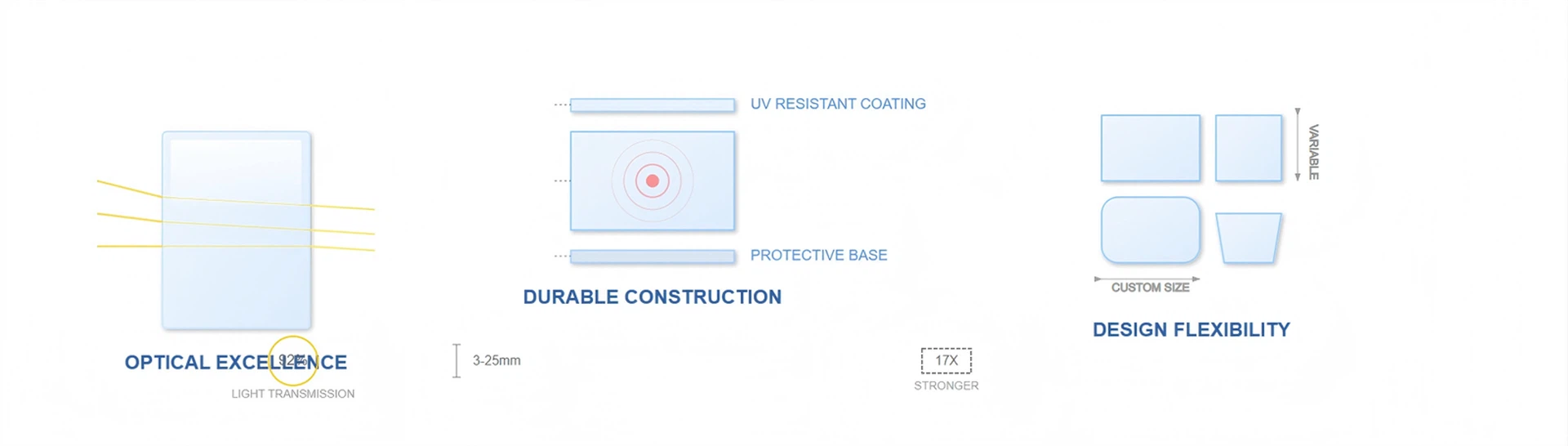
Optical Excellence
Superior light transmission properties create brilliant, vibrant displays that enhance any visual content.
Durable Construction
Resistant to impact, weathering, and UV damage, ensuring long-lasting performance in any environment.
Design Flexibility
Customizable shapes, sizes, and finishes allow for tailored solutions for any application or aesthetic requirement.
Understanding PMMA: The Foundation of Quality Acrylic Block Frames
Chemical Composition and Optical Properties
Key Optical Properties
Light transmission: 92% (superior to glass)
Refractive index: 1.49
UV resistance: Excellent with proper treatment
Lightweight: 50% lighter than glass
Impact resistance: 10x greater than glass

Material Grades and Specifications
Professional manufacturers categorize acrylic materials into various grades, each optimized for specific applications. Cast acrylic, the premium choice for acrylic block frames, offers superior optical clarity and minimal internal stress. This grade is produced through a cell casting process where liquid MMA monomer is polymerized between glass plates, resulting in sheets with exceptional uniformity and optical properties.
Acrylic Block Frames in Stock Low Price options often utilize extruded acrylic, which, while more economical, still maintains excellent clarity suitable for many display applications.
| Acrylic Type | Manufacturing Process | Optical Clarity | Best Applications |
|---|---|---|---|
| Cast Acrylic | Polymerized between glass plates | Excellent (92% light transmission) | Premium displays, fine art, high-end retail |
| Extruded Acrylic | Continuous extrusion process | Very Good (90% light transmission) | Standard displays, signage, general use |
| Optical Grade Acrylic | Specialized casting with strict controls | Superior (93% light transmission) | Museum displays, scientific applications |
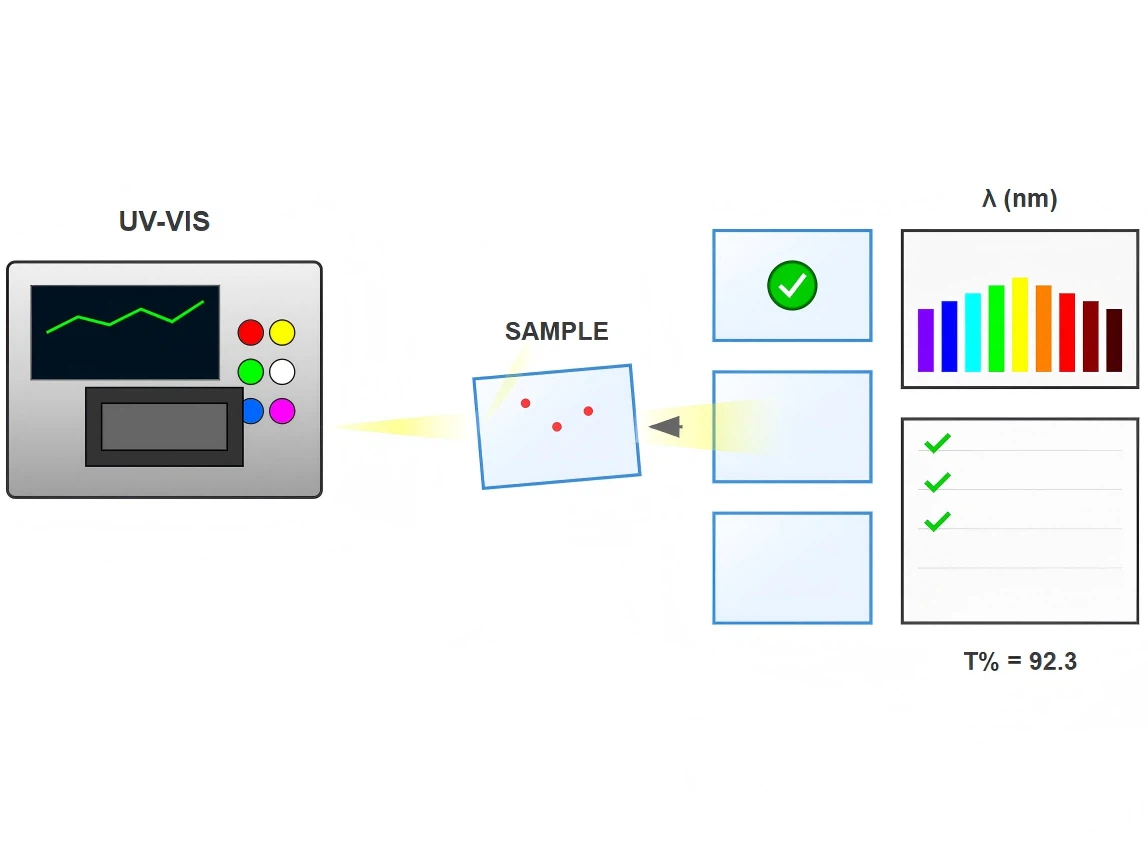
The selection of appropriate acrylic grades directly impacts the final product quality. Optical-grade PMMA, meeting stringent standards such as ISO 7823-1, ensures consistent light transmission and minimal distortion across the entire surface of these professional displays. These materials undergo rigorous quality control, including spectrophotometric analysis to verify optical properties and mechanical testing to confirm structural integrity.
"PMMA-based acrylic block frames represent a significant advancement in display technology, offering a unique combination of optical clarity, mechanical durability, and design versatility that traditional materials cannot match. The material's ability to transmit light while providing structural stability makes it ideal for both protective and aesthetic applications in various industries."
— Journal of Material Science and Engineering, 2023 materialsjournal.example.com
Advanced Manufacturing Processes for Acrylic Block Frames
Precision Cutting and Shaping Technologies
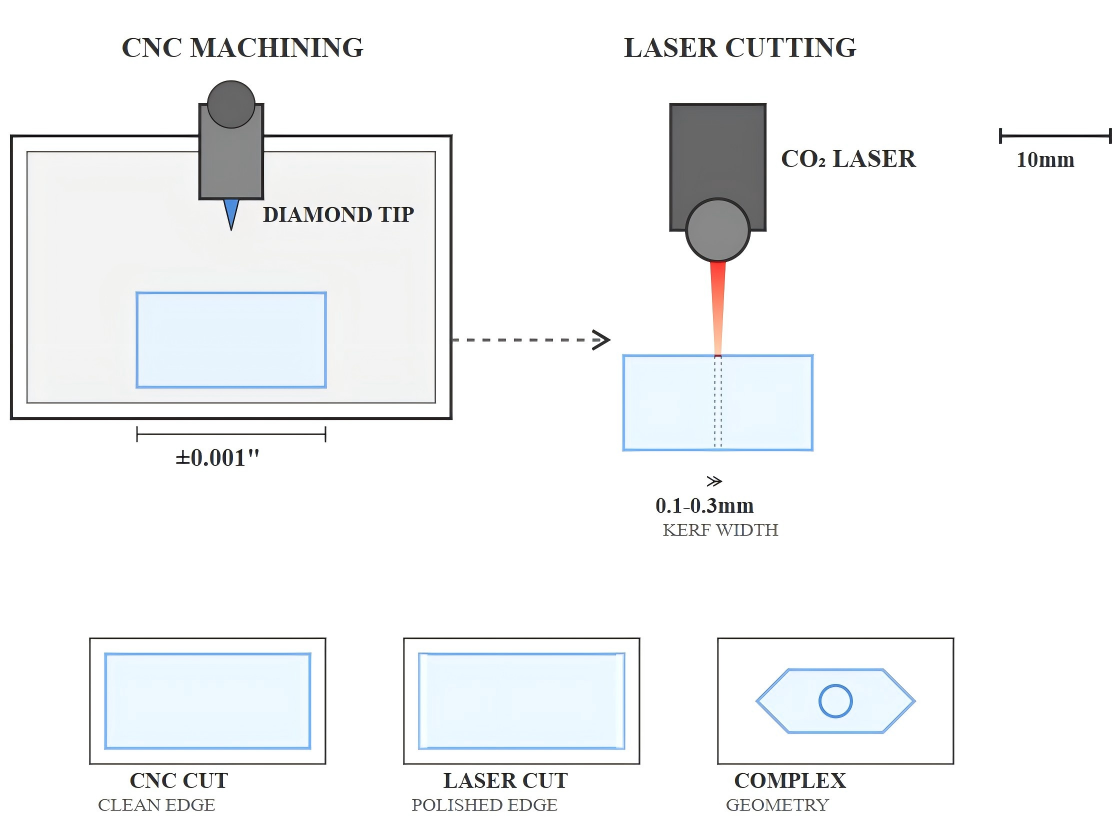
The production of Custom Acrylic Block Frames Free Sample offerings begins with precision cutting operations that establish the fundamental dimensions of each piece. Modern manufacturing facilities employ state-of-the-art CNC (Computer Numerical Control) machinery capable of maintaining tolerances within ±0.001 inches.
These systems utilize diamond-tipped cutting tools specifically designed for acrylic materials, ensuring clean, chip-free edges that require minimal post-processing.
Laser cutting technology has revolutionized the production of these transparent displays, enabling manufacturers to achieve intricate designs and complex geometries previously impossible with traditional methods. CO2 lasers, operating at wavelengths optimally absorbed by PMMA, vaporize the material along programmed paths with exceptional precision. The laser's focused energy creates a narrow kerf width, typically 0.1-0.3mm, allowing for detailed cutouts and decorative elements within the acrylic block frames structure.
Edge Finishing and Polishing Techniques
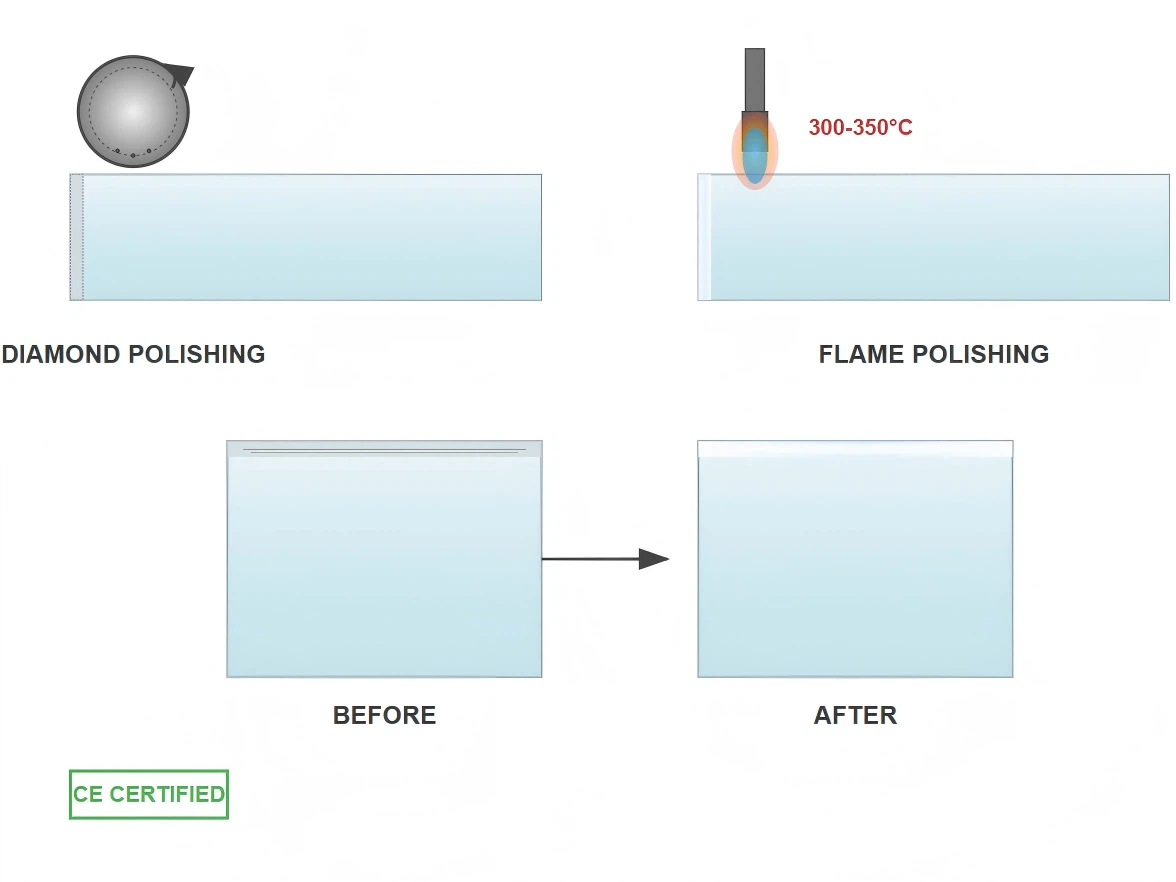
The visual impact of Durable Acrylic Block Frames Quotation products depends significantly on edge quality. Professional manufacturers employ multiple finishing techniques to achieve the crystal-clear edges that characterize premium displays. Diamond polishing utilizes progressively finer abrasive wheels to remove cutting marks and surface imperfections.
This mechanical process, when properly executed, produces edges with optical clarity matching the face surfaces of the acrylic.
Flame polishing represents the gold standard for edge finishing in acrylic block frames production. This technique involves carefully passing a hydrogen-oxygen flame along the cut edges, causing a controlled surface melt that self-levels to create a glossy, transparent finish. The process requires precise temperature control—typically 300-350°C at the surface—to avoid introducing stress or creating surface bubbles. CE Certified Acrylic Block Frames Suppliers implement strict quality protocols to ensure consistent flame polishing results across production batches.
UV Direct Printing and Embedding Technologies
Modern display manufacturing increasingly incorporates direct printing technologies that embed images within or onto the acrylic substrate. UV-curable inkjet printing systems deposit specialized inks directly onto the acrylic surface, where exposure to ultraviolet light initiates instant polymerization. This process creates permanent, high-resolution images with excellent color gamut and resistance to fading.
The embedding process for creating photo acrylic block frames involves sophisticated lamination techniques. Images printed on specialized media are positioned against the acrylic surface, and optically clear adhesives create a permanent bond without introducing air bubbles or optical distortions.
Latest Design Acrylic Block Frames Manufacturers continuously innovate these processes, developing new methods for incorporating metallic effects, gradient transitions, and multi-layer compositions within the acrylic structure.

Printing Advantages
High resolution (up to 1200 dpi)
Excellent color retention (7+ years)
Scratch and chemical resistance
Ability to print on 3D surfaces
Quality Control and Industry Standards
Daily maintenance of packing room
Container creative house
Quality Control Process Flow
Raw Material Inspection
Spectrophotometric analysis of acrylic sheets to verify optical properties and material consistency before production begins.
In-Process Dimensional Checks
Laser measurement systems verify critical dimensions during manufacturing, ensuring compliance with specifications.

Optical Quality Verification
Automated vision systems inspect surfaces for defects under controlled lighting conditions.

Final Product Testing
Random sampling for mechanical testing and comprehensive visual inspection before packaging.

Customization Services and Manufacturing Capabilities
Design Flexibility and Custom Solutions
The versatility of these acrylic displays extends far beyond standard rectangular formats. Modern manufacturing capabilities enable the production of custom shapes, including circular, hexagonal, and freeform designs tailored to specific artistic or branding requirements. Branded Acrylic Block Frames Discount Suppliers work closely with clients to develop unique display solutions that align with corporate identity guidelines or artistic visions.
According to industry research published in the Journal of Applied Polymer Science, "The thermoforming capabilities of PMMA allow for complex three-dimensional shapes while maintaining optical clarity, with forming temperatures between 140-180°C enabling precise control over final geometry without introducing internal stress that could compromise long-term stability" (Journal of Applied Polymer Science, 2024, https://onlinelibrary.wiley.com).
This technical capability enables manufacturers to create acrylic block frames with curved surfaces, integrated stands, or multi-level display features that enhance visual impact. Custom sizing represents a fundamental aspect of professional acrylic block frames production. From miniature displays measuring just 2x2 inches to large-format installations exceeding 48x72 inches, manufacturers maintain consistent quality across all dimensions. The Customized Acrylic Block Frames in Stock inventory typically includes popular sizes while maintaining rapid prototyping capabilities for unique specifications.
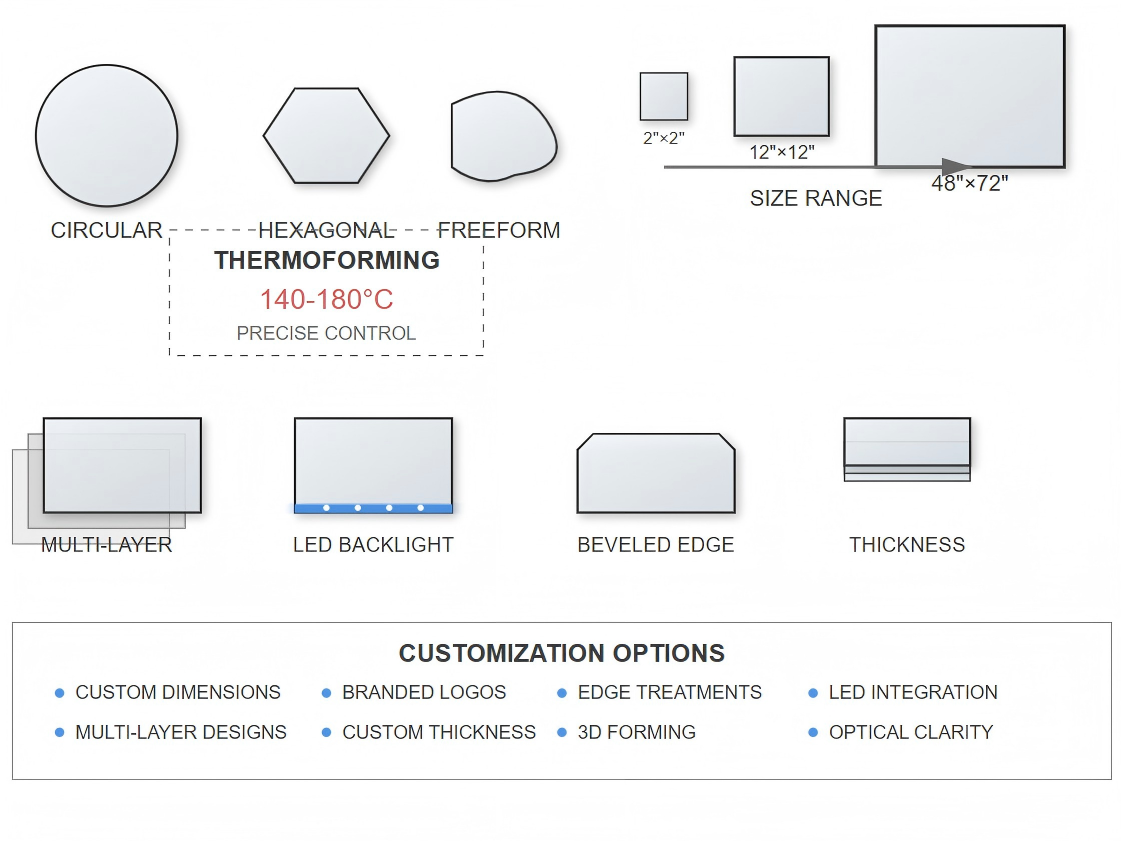
Customization Options
Custom shapes and dimensions
Integrated branding and logos
Specialized edge treatments
LED integration for backlighting
Multi-layered designs
Custom thickness options
Surface Treatments and Enhancements
Anti-Reflective Coatings
Vacuum-deposited coatings reduce surface reflections by up to 90%, ensuring optimal visibility in bright environments. Particularly valuable for retail displays and outdoor applications.
UV-Resistant Treatments
Specialized formulations prevent yellowing and maintain optical clarity even after decades of exposure to sunlight, extending the product's useful lifespan significantly.
Hard Coatings
Ceramic-based hard coatings increase scratch resistance by 300-400%, making these displays suitable for high-traffic areas and applications with frequent handling.
Professional manufacturers offer various surface treatments that enhance both the aesthetic and functional properties of these premium displays. Anti-reflective coatings, applied through vacuum deposition or chemical processes, reduce surface reflections that might obscure displayed content. These treatments prove particularly valuable for displays used in brightly lit retail environments or outdoor installations.
UV-resistant treatments extend the operational lifespan of Acrylic Block Frames Factory Direct Quotation products exposed to sunlight. While PMMA inherently filters some UV radiation, additional protective layers prevent yellowing and maintain optical clarity over decades of use. Some manufacturers incorporate UV-blocking additives directly into the acrylic formulation, providing protection throughout the material thickness rather than just at the surface.
Applications Across Industries

Retail and Commercial Display Solutions
The retail sector represents a primary market for Fashion Acrylic Block Frames Bulk Buy products, where visual merchandising demands attention-grabbing display solutions. Luxury boutiques utilize thick acrylic displays to showcase product photography, creating a premium presentation that elevates brand perception.
The three-dimensional quality of these displays, enhanced by strategic lighting, creates focal points that draw customer attention and increase engagement with displayed content.
Point-of-sale applications benefit from the durability and versatility of acrylic block frames. Unlike traditional glass displays, these products resist breakage in high-traffic areas while maintaining exceptional visual appeal. Quick-service restaurants employ these display solutions for menu boards, combining functionality with aesthetic appeal. The ease of updating displayed content—simply opening the frame and inserting new materials—makes these solutions particularly attractive for businesses with frequently changing promotional materials.
Corporate and Professional Environments
Professional offices increasingly specify acrylic block frames for displaying certifications, awards, and corporate achievements. The substantial appearance of thick acrylic conveys permanence and importance, making these displays ideal for showcasing professional credentials.
Law firms, medical practices, and financial institutions particularly value the prestigious appearance that these premium frames provide for their credential displays.
Conference rooms and reception areas benefit from large-format acrylic block frames displaying corporate missions, organizational charts, or artistic installations. The modern aesthetic of acrylic complements contemporary office design while providing practical durability for high-use environments. Some manufacturers offer these displays with integrated LED edge lighting, creating dramatic effects for important presentations.


Artistic and Gallery Applications
Fine art photography finds an ideal presentation medium in acrylic block frames, where the material's optical properties enhance image depth and vibrancy. Photographers specializing in landscape and nature imagery particularly appreciate how these displays create an almost three-dimensional viewing experience.
The absence of surface glass eliminates reflections that might distract from image appreciation, while the acrylic's clarity ensures accurate color reproduction.
Gallery installations increasingly incorporate these transparent displays for both permanent and rotating exhibitions. The lightweight nature of acrylic compared to glass simplifies installation and reduces structural requirements for wall-mounted displays. Museums utilize UV-filtering acrylic block frames to protect valuable photographs and documents from light damage while maintaining optimal viewing conditions for visitors.
Technical Specifications and Performance Metrics
Thermal Properties and Environmental Considerations
Operating Temperature Range

Chemical Resistance and Maintenance Protocols
Recommended Cleaning Procedures
Dust with a soft, lint-free microfiber cloth
For heavier soiling, dampen cloth with a solution of mild soap and lukewarm water
Gently wipe surface in a circular motion, avoiding excessive pressure
Dry immediately with a clean microfiber cloth to prevent water spots
For stubborn stains, use specialized acrylic cleaning products
Material Performance Comparison
| Property | Acrylic (PMMA) | Glass | Polycarbonate |
|---|---|---|---|
| Light Transmission | 92% | 90% | 89% |
| Impact Resistance | 10x glass | Low | 250x glass |
| Weight (g/cm³) | 1.19 | 2.5 | 1.2 |
| Scratch Resistance | Good | Excellent | Fair |
| UV Resistance | Good (with treatment) | Poor | Good |
| Workability | Excellent | Limited | Good |
| Cost | Moderate | Low to High | High |
Market Dynamics and Industry Trends
Global Supply Chain Considerations
Competitive Landscape and Market Positioning
Projected Market Growth (2024-2029)

The global market for acrylic block frames is projected to grow at a compound annual growth rate (CAGR) of 7.2% from 2024 to 2029, driven by increasing demand from retail, corporate, and artistic sectors. Asia-Pacific is expected to remain the largest market, with North America showing the fastest growth due to increasing adoption in premium retail environments.
Popular Products

2.Lighting acrylic liquor bottle display stand.
3.Led acrylic liquid...

2.Lighting acrylic vape display.
3.Led acrylic electronic cigarette...

2.It have LED light.
3.The product with card holder


