


When you look at Acrylic Display Boxes, knowing how they are made helps you choose better. Every step in making acrylic changes how clear, strong, or unique the box can be. Using the best method gives you a display that matches your brand and needs. Learning the process gives you real benefits:
|
Benefit |
Explanation |
|---|---|
|
Affordability |
Acrylic is cheaper than glass, so you get good displays without spending too much. |
|
Low Maintenance Costs |
Acrylic is easy to clean with just washing, so your staff saves time and money. |
|
Customization Options |
Acrylic can change shape or style, so you can make boxes that fit your brand. |
|
Enhanced Product Visibility |
Acrylic is clear, so people see your products better and may want to buy them. |
|
Encourages Customer Interaction |
Acrylic lets shoppers see inside, so they want to look and touch more, which can help sales. |
Key Takeaways
Acrylic display boxes cost less and weigh less than glass. This makes them a smart choice for many businesses. Acrylic is simple to clean. This helps lower cleaning costs and saves workers time. Picking the right acrylic sheet makes displays clear and strong. This helps your displays look nice and last longer. Laser cutting gives exact shapes and smooth edges. This makes your display boxes look better. You can customize your displays to fit your brand and products. Quality control checks make sure each acrylic box is strong and looks good. Surface finishing, like polishing and flame treatment, makes displays clearer and tougher. Knowing how these boxes are made helps you choose the best ones for your business.
Acrylic Display Boxes: Material Selection
Picking the right acrylic changes how your display boxes look and last. You need to know how each sheet works. This helps you match your boxes to your needs and where you use them. The raw materials you pick affect how clear, strong, and valuable your displays are.

Types of Acrylic Sheets
Cast vs. Extruded
There are two main kinds of acrylic sheets: cast and extruded. Cast acrylic is clearer and stands up to chemicals better. Extruded acrylic has consistent thickness and is easier to cut, which makes it ideal for displays that need exact sizes. These properties directly affect the quality of Acrylic Display Boxes, since clarity, precision, and durability all matter in retail and exhibition use. Think about your budget and how much detail you want before choosing the right material for your Acrylic Display Boxes.
Clarity and Strength
Acrylic sheets are known for being very clear, letting over 92% of light shine through. This makes Acrylic Display Boxes bright, eye-catching, and easy to see. Acrylic is also much stronger than glass-up to 17 times tougher-which helps keep your displays safe in busy stores or public places.
Tip: If your Acrylic Display Boxes will get a lot of use or might get scratched, choose abrasion-resistant or impact-modified acrylic. These materials help prevent scuffs and bumps, ensuring your displays look professional for longer.
Here is a table that compares common acrylic sheets for display boxes:
|
Type of Acrylic Sheet |
Clarity |
Strength |
Best Use Case |
|---|---|---|---|
|
Clear Acrylic Sheet |
High |
Standard |
General displays, retail, museums |
|
Textured Acrylic Sheet |
Medium |
Enhanced |
Decorative displays, privacy screens |
|
Impact Altered Acrylic Sheet |
High |
Superior |
High-traffic areas, public displays |
|
Anti-Static Acrylic Sheet |
High |
Standard |
Electronics, sensitive product displays |
Choosing the Right Acrylic
Durability
You want your displays to last a long time. Acrylic Display Boxes are made from sheets that are about half as light as glass, making them easy to move and set up. They also resist breaking, which makes them reliable in busy environments where accidents can happen. Thicker sheets add even more strength and stability, making them ideal for large or heavy displays.
Abrasion-resistant acrylic helps Acrylic Display Boxes stay free from scratches in high-traffic areas. Impact-modified acrylic gives extra protection, helping your displays survive bumps and drops without losing their professional look.
Application Needs
To pick the best acrylic for Acrylic Display Boxes, first decide what you will show. Measure your items and check your available space. For custom displays, use sheets at least 3mm thick to ensure safety and strength. You can choose clear, frosted, or colored acrylic depending on your brand and how much visibility you want for your products.
- Decide what your display is for.
- Think about the size and shape of your items.
- Pick a style-clear for full visibility, textured for privacy, or colored for branding.
- Make sure your acrylic is strong enough for the products you want to hold.
- Check that the thickness matches the weight requirements.
Acrylic Display Boxes work well for jewelry, collectibles, electronics, and even food items. They protect your products from temperature changes, and producing acrylic is often more eco-friendly compared to glass.
Note: Picking the right acrylic sheet makes your displays look better. It also keeps them safe, strong, and saves money for your business.
Acrylic Manufacturing Process: Cutting Techniques
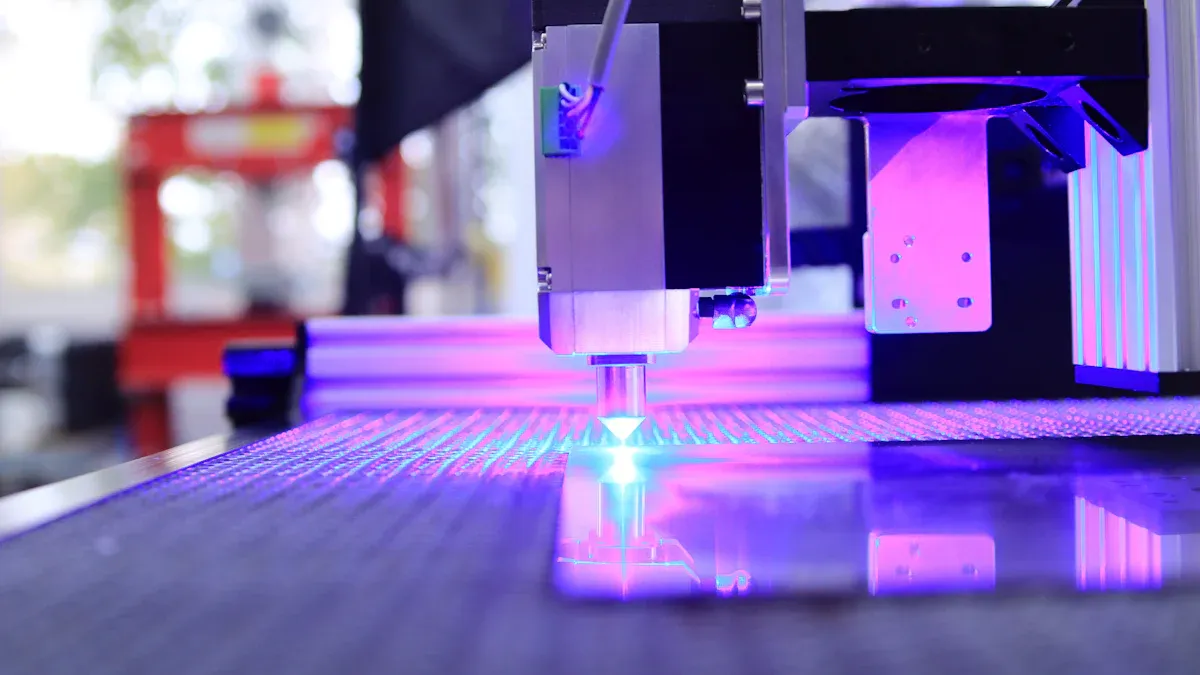
Modern cutting techniques are very important in making Acrylic Display Boxes. Choosing the right cutting method ensures your boxes look sharp, fit well, and stay durable. These techniques affect not only the strength but also the clarity of your displays. If you want your Acrylic Display Boxes to last long and maintain a professional appearance, it's worth understanding the different cutting methods available.
Laser Cutting
Laser cutting is one of the most advanced ways to make acrylic. A focused laser beam melts and cuts the material, giving very precise shapes and smooth edges. This method works well for both simple and complex designs, making it a top choice in producing Acrylic Display Boxes that need clean lines, accurate dimensions, and a premium look.
Precision
Laser cutting is the most exact method you can use for acrylic. It allows you to create detailed patterns and logos with ease. Because the laser follows computer designs, every cut is precise. This ensures your Acrylic Display Boxes fit together perfectly and deliver a clean, professional look.
Edge Quality
Laser cutting makes edges of acrylic smooth and shiny. The heat from the laser melts the surface and leaves a glossy edge, so no extra polishing is needed. This prevents cracks and chips, helping your Acrylic Display Boxes look new for longer. Laser cutting also reduces material waste, which saves money in production and makes the process more eco-friendly-an advantage for both manufacturers and buyers.
Tip: Laser cutting works best for thin and medium acrylic sheets. If you use thick plexiglass, try other ways to keep edges clear and smooth.
|
Cutting Method |
Precision Level |
Edge Quality |
Best For |
Speed |
|---|---|---|---|---|
|
Laser Cutting |
Highest |
Polished, smooth |
Intricate designs, fine engraving |
Fast |
|
CNC Machining |
High |
Clean, sharp |
Thicker materials, structural cuts |
Moderate |
|
Precision Trimming |
Moderate |
Neat, straight |
Simple shapes, finishing touches |
Variable |
CNC Machining
CNC machining uses advanced machines to cut and shape acrylic with high precision. This method is especially good for thick sheets and strong structural parts. Since CNC machines follow computer designs, every piece comes out consistent and accurate. For Acrylic Display Boxes, CNC machining ensures durability, reliable strength, and uniform quality, which is ideal for large or heavy displays.
Accuracy
CNC machining is very accurate, with only tiny tolerances. It allows you to make many Acrylic Display Boxes that are all the same size, which is ideal for bulk orders or displays that need to fit together perfectly. Since no hand polishing is required, the risk of human error is reduced, ensuring consistent quality across every piece.
Efficiency
CNC machining is fast and consistent, making it a reliable method for producing Acrylic Display Boxes. The machines can cut multiple sheets at once, which speeds up production and improves efficiency. You also get clean edges without the need for sanding, so the displays are ready to use immediately.
For best results, CNC machining works at speeds between 15,000 and 20,000 RPM. This setting keeps cuts smooth and prevents vibration, ensuring your Acrylic Display Boxes remain clear, strong, and professional-looking.
Precision Trimming
Precision trimming is the final step in producing Acrylic Display Boxes. Small tools are used to refine the edges and make them perfectly straight. This finishing process is essential for displays that need a flawless look, ensuring every Acrylic Display Box appears professional and ready for retail or exhibition use.
Marking
Before trimming Acrylic Display Boxes, mark the cut lines first. Careful, visible marks help you avoid mistakes. Use a straightedge and check measurements twice. Move slowly and steadily for the best results.
Clean Edges
Precision trimming makes displays look neat. You take away rough spots or uneven edges. This helps your boxes fit tightly and look good from all sides.
- Trimming helps you get straight lines and a neat look.
- Pick the right tool for your acrylic sheet.
- Always check your work to keep your displays high quality.
|
Step |
Description |
|---|---|
|
Cutting |
Use special tools to cut acrylic sheets to the right size, and avoid mistakes. |
|
Shaping |
Use advanced ways to mold acrylic, making sure edges are smooth and lined up. |
|
Polishing |
Use special compounds and tools for a clear finish, and check for problems. |
|
Final Inspection |
Look at each display case for clarity and strength before packing. |
|
Worker Training |
Teach workers how to check quality and keep standards high. |
|
Equipment Usage |
Use modern tools for exact measurements and careful checks. |
If you use modern cutting techniques, your displays will be clear, strong, and look professional. These methods help you make customers happy with every order.
Process of Making Acrylic Sheets: Forming and Shaping
Forming and shaping are important steps in making acrylic sheets. These processes allow you to create many different designs for Acrylic Display Boxes. Using the right method lets you produce displays that look unique, fit your products, and match your brand identity. When you understand how forming works, you can choose the best technique for your project. This not only improves the look of your Acrylic Display Boxes but also helps you use materials more efficiently.

Bending
Bending helps you turn flat acrylic sheets into curves or angles, giving designers more flexibility. This process is often used to create Acrylic Display Boxes with unique shapes and modern styles. By controlling the heat and bend angle, you can make displays that stand out while still being strong and functional.
Heat Bending
Heat bending makes acrylic soft so you can shape it. A heated strip or a hot air gun warms the sheet until it becomes flexible. Then you bend it to the angle you want and let it cool down, which keeps the acrylic strong and clear. This method is often used to create Acrylic Display Boxes with unique angles or curves. For example, a fashion store wanted wave-shaped stands, and heat bending made those displays possible while keeping the acrylic bright and professional-looking.
- A bending jig helps you get the right angle.
- Supports inside the sheet stop it from folding wrong.
- You can use surface or line heating for different shapes.
Design Flexibility
Heat bending gives you many design choices when making Acrylic Display Boxes. You can create displays for counters, jewelry, or product racks. This process allows for custom designs that match your brand while letting you choose the right sizes for both large and small products. Heat bending also keeps the acrylic strong and clear, so your Acrylic Display Boxes look professional and last longer.
Tip: Heat bending works best for simple curves and angles. For more complex shapes, you may need other forming methods to achieve the desired look.
Thermoforming
Thermoforming lets you make special shapes by heating acrylic and molding it. This method gives you more design options for your displays.
Custom Shapes
First, you make a mold for the shape you want. You heat the acrylic in an oven or on a hot plate. When the sheet is soft, you put it over the mold and let it cool. This works for counter displays, floor units, and neat product setups. Thermoforming helps you make big or small displays for many products.
|
Technique |
Description |
|---|---|
|
Custom Fabrication |
Special designs for your needs, making displays unique. |
|
Laser Cutting |
Exact cuts for cool shapes, letting you be creative. |
|
UV Printing |
Good printing for custom graphics on display boxes. |
Limitations
Thermoforming has some limits you should know. It is hard to make shapes with deep cuts. The process can make the walls uneven, which can make displays weaker. You often need to trim the edges after forming. Too much pressure can make the acrylic too thin. Too little pressure can cause wrinkles.
|
Limitation |
Description |
|---|---|
|
Pressure Control |
Too much pressure makes acrylic thin or break; too little makes it wrinkled or uneven. |
|
Complex Shapes |
Hard to make tricky shapes with deep cuts. |
|
Wall Thickness |
Walls can end up uneven during forming. |
|
Secondary Operations |
You often need extra steps like trimming to finish the shape. |
When you pick a forming method, think about your design, product size, and style. Bending and thermoforming help you make cool acrylic display boxes for your brand and products.
Assembly and Bonding Methods
When you put together acrylic display boxes, you must pick the best bonding method. The way you join the pieces changes how strong, nice-looking, and flexible your box is. Every step, from getting materials ready to finishing, affects how your box turns out. Let's see why each method is important for your project.

Solvent Bonding
Solvent bonding uses a special glue called acrylic cement to stick acrylic pieces together. You use products like Weld-On 3 or Weld-On 4 for this job. This method is good when you want your box to look neat and professional.
Seamless Finish
You want your Acrylic Display Boxes to look smooth and clear. Solvent bonding is a technique that makes seams almost invisible. The adhesive melts the acrylic edges together, so the joint disappears. This gives your Acrylic Display Boxes a sharp and elegant look, helping people focus on your products instead of the seams.
Tip: Clean the edges with isopropyl alcohol and sand them smooth before gluing. Use clamps to hold the pieces firmly in place for the best bonding results.
Strength
Solvent bonding makes strong, long-lasting joints for Acrylic Display Boxes. The adhesive creates a chemical bond instead of just a surface layer, which keeps each box sturdy for everyday use. Regular glues do not work well with acrylic, so solvent bonding is the best method for both strength and a seamless, clear look.
Solvent bonding is especially valuable for busy store displays. You can trust the bond to last, even when customers frequently touch or move your Acrylic Display Boxes.
UV Bonding
UV bonding uses a clear adhesive that cures under ultraviolet light. This method is popular because it is fast, precise, and keeps Acrylic Display Boxes looking clean and professional. The seamless joints enhance clarity, making the displays more attractive while saving production time.
Fast Curing
You want to finish your box fast. UV glue dries in seconds when you shine UV light on it. This quick process helps you make boxes faster and move to the next step sooner.
Clarity
UV bonding keeps your acrylic boxes crystal clear. The glue dries without color, so the joint stays invisible. People see your products, not the seams.
|
Benefit |
Description |
|---|---|
|
Rapid curing speeds |
UV glue dries fast, so you save time when making boxes. |
|
Superior clarity |
The clear finish keeps your box looking clean and professional. |
Mechanical Fastening
Mechanical fastening uses screws, bolts, or clips to hold acrylic pieces together. This way gives you more choices, especially if you want to take boxes apart or change them.
Removable Designs
You might want to change your box or swap parts. Mechanical fasteners let you take your box apart and put it back together easily. This helps with seasonal displays or cleaning inside.
Pros and Cons
Mechanical fastening gives you instant strength. It works well for heavy items and busy places. But it limits your design because you need the right materials. The joints may not look as smooth as glued seams.
|
Method |
Design Flexibility |
Durability |
|---|---|---|
|
Mechanical Fastening |
Easy to take apart; only works with some materials |
Strong right away; good for heavy boxes |
|
Bonding (Adhesives) |
Works with many materials; flexible designs |
Very strong and lasts long with good prep |
Note: Use mechanical fastening if you need to change your box often. Pick bonding methods for a smooth look and strong joints.
When you know these ways to put boxes together, you can choose the best one for your acrylic display boxes. The right choice helps you use your materials well and finish your boxes nicely. You make boxes that fit your brand and work for your needs.
Surface Finishing for Acrylic Display Boxes

Surface finishing is very important when making acrylic display boxes. It helps your displays look nice and last longer. Good finishing makes your boxes clear and helps your products stand out. The right finish can turn plain acrylic into something special for stores or shows.
Polishing
Polishing makes acrylic smooth and shiny. It takes away scratches and marks from tools. You can polish by hand or use a machine. The way you choose depends on how many boxes you need.
Manual
Manual polishing means you do it by hand. You use fine sandpaper and special polish. This works well for small batches or special shapes. It takes more time and effort, but you can focus on small details. Hand polishing is good for tricky corners or unique designs.
Machine
Machine polishing uses special equipment to give Acrylic Display Boxes a shiny and professional finish. The process usually includes two steps: rough polishing and fine polishing. Machines work quickly and can polish many boxes at once, delivering a bright, clear look every time. This method is especially efficient when you need to produce large batches of Acrylic Display Boxes on a tight schedule.
Polished edges make the boxes clearer and more attractive. A glossy finish highlights quality and ensures your products look better in any retail or exhibition setting.
|
Polishing Method |
Result Description |
|---|---|
|
Manual Polishing |
High-quality results, labor-intensive |
|
Machine Polishing |
Smooth, glossy finish, professional-grade appearance |
Flame Treatment
Flame treatment is also called flame polishing. It uses a hot flame to melt the surface of acrylic a little bit. This makes the edges look like glass and removes marks from cutting.
Edge Clarity
You want your box edges to be clear and shiny. Flame treatment smooths rough spots and makes joints almost invisible. This works best for straight
edges and simple shapes.
Durability
Flame treatment also makes the edges stronger. The melted surface is harder to chip or crack. Your boxes stay looking new, even if people touch them a lot.
|
Process |
Description |
Benefits for Acrylic Display Boxes |
|---|---|---|
|
Flame Polishing |
Slightly melts acrylic surface for a glossy finish |
Enhances optical clarity and durability |
Printing
Printing puts your brand and designs on acrylic boxes. You can pick different printing methods for your needs.
Branding
You want people to notice your brand. Printing your logo or slogan on boxes helps customers remember you. Acrylic is clear, so colors and pictures look bright and sharp. This makes your brand easy to see and gives a fancy look.
Custom Graphics
Custom graphics let you make each Acrylic Display Box unique for a product or event. UV printing and silk-screen printing allow for bright, durable images that last. You can add product details, holiday themes, or eye-catching patterns. These options help your displays grab attention and communicate your brand message effectively.
Acrylic Display Boxes let customers see your products clearly, while custom printing highlights your brand style. Strong, long-lasting prints ensure your graphics stay sharp and professional over time, making your displays both functional and visually appealing.
|
Surface Treatments |
Processing Techniques |
|---|---|
|
Transparent |
Cutting |
|
Glossy |
Engraving/Carving |
|
Frosted |
Drilling |
|
N/A |
Polishing (diamond, fire) |
|
N/A |
Silk-screen, UV printing |
Using good finishing steps makes your acrylic display boxes look great, last longer, and help your brand do well.
Quality Control in Acrylic Manufacturing
You want your acrylic display boxes to be high quality. Quality control helps make sure every box is good. It checks that boxes look nice, work well, and last long. Manufacturers follow strict steps to check each part of making boxes.
Inspection
Boxes go through careful checks before you get them. Inspection looks at how boxes look and how strong they are.
Visual Checks
Visual checks find problems early. Workers look for scratches or bubbles on the acrylic. They check for color changes too. They see if edges are smooth and pieces fit together. If they find a problem, they take out those boxes.
Stress Testing
Stress testing checks if boxes can handle real use. You want boxes to stay strong when people touch them or put heavy things inside. Workers test for cracks and bending. They check if boxes hold up under weight. They look at seals and mounting points to make sure nothing comes loose.
|
Inspection Area |
Importance |
|---|---|
|
Assessing Structural Integrity |
Finds damage or misalignment that could weaken the box. |
|
Evaluating Electrical Components |
Ensures lights and wiring work safely and look good. |
|
Examining Enclosure Seals |
Keeps out dust and moisture, protecting your products. |
|
Verifying Mounting Stability |
Confirms the box stays secure in busy environments. |
Manufacturers use many steps to keep defects low:
|
Quality Control Measure |
Description |
|---|---|
|
Raw Material Inspection |
Checks for defects before using materials. |
|
First Piece Inspection |
Tests the first box to confirm the process is correct. |
|
Final Inspection |
Looks at each box's appearance and packaging before shipping. |
Standards
You want your boxes to meet important standards. Certifications show the manufacturer uses safe materials and good methods.
Certifications
Many certifications apply to acrylic display boxes. These include:
- ISO9001 Quality Management System
- CE (Conformité Européenne)
- FDA (Food and Drug Administration)
- RoHS (Restriction of Hazardous Substances)
- UL Safety Certifications
- Global Recycled Standard
Manufacturers also follow rules from groups like ASTM, ANSI, and CSA. These rules cover strength, safety, and the environment.
|
Certification/Standard |
Description |
|---|---|
|
ASTM |
Testing and materials standards |
|
CE |
European safety and quality certification |
|
FDA |
Approval for food-safe materials |
|
ISO9001 |
Quality management system certification |
|
RoHS |
Restricts hazardous substances in materials |
Manufacturers must follow rules like REACH in Europe. These rules keep chemicals safe for people and nature.
Buyer Expectations
You want your boxes to look perfect and last long. Quality control helps you feel sure about your choice. When you see certifications and know about inspections, you can trust your boxes. They will protect and show your products in stores, museums, or trade shows.
Tip: Always ask your supplier about their quality control steps and certifications. This helps you get the best value and performance for your business.
Customization and Innovative Design
Customization and new design ideas help your acrylic signage & displays stand out. You want your products to look different and match your needs. Custom acrylic signage & displays let you change the size, shape, and style. This helps your brand look special and connects you with customers. Manufacturers also make their work easier and can help more people.

Custom Sizes and Shapes
Unique Needs
Sometimes you need acrylic signage & displays for a certain product or space. Custom sizes let you show off anything, from jewelry to electronics. You can get 8.5 x 11 acrylic sign holders for papers or special shapes for sales. This makes them good for stores, museums, or your own collection at home.
- You can show off products in stores.
- You keep museum items safe with custom acrylic signage & displays.
- You display your favorite things at home with cool designs.
Acrylic signage & displays can be made just for you. You pick the thickness, shape, and finish you want. This keeps your items safe and easy to see.
Order Quantities
You might need only one display or a lot for many stores. Manufacturers can make small or big orders. Small orders are good for special or rare acrylic signage & displays. Big orders are made fast and all look the same.
Note: Tell the manufacturer what you want early. Clear details help them make the right amount and design for you.
Branding Options
Logo Printing
Branding makes your acrylic signage & displays great for advertising. You can put your logo on 8.5 x 11 acrylic sign holders, counters, or wall signs. This helps people remember your brand and notice your displays.
Logos help people remember your signage & displays.
Using the same logo everywhere builds trust with customers.
Color Choices
You can pick many colors for your acrylic signage & displays. Clear acrylic lets people see everything. Colored acrylic can match your brand or give privacy. Frosted, mirrored, or textured finishes make your displays look fancy.
|
Color Option |
Best Use Case |
Visual Impact |
|---|---|---|
|
Clear |
Retail, museums, offices |
Maximum visibility |
|
Frosted |
Privacy screens, modern signage |
Soft, diffused look |
|
Colored |
Branding, themed displays |
Bold, eye-catching |
|
Mirrored |
Luxury retail, decorative signage |
Reflective, premium |
Tip: Pick colors that make your product and brand look better.
Innovative Approaches
Competitive Edge
You want your acrylic signage & displays to do more than just hold signs. New designs help you beat the competition. Manufacturers use laser cutting and 3D printing for custom 8.5 x 11 acrylic sign holders and cool shapes. You can ask for signs with lights or touch screens for modern uses.
- Custom designs let you get exactly what you want.
- Eco-friendly materials attract people who care about the planet.
- Signs that do more, like coming apart or moving, are easier to use.
- Fancy finishes, like frosted or textured, look high-end.
- Light and strong designs are easy to move and set up.
Market Expansion
New acrylic signage & displays help your business grow. You can add LED lights to make products stand out in stores. Museums use modern displays to protect and show off items. Collectors use stylish cases to keep their treasures safe.
- You find new customers with special, useful signage & displays.
- You keep up with trends by offering new design features.
- You keep customers happy by giving them what they need.
Tell your manufacturer what you want. Good machines and skilled workers make sure your acrylic signage & displays look great and work well.
When picking acrylic display boxes, remember these important things for good results:
1. Look at how the boxes are made to make sure they are strong and last long.
2. Make sure the boxes meet quality rules and standards.
3. Compare prices and how fast you can get your order.
4. Check that the size and thickness are just right for what you need.
5. Find out if the company has a good name and helps you after you buy.
Knowing these steps helps you get boxes that fit your brand and needs. Always choose boxes made with care, that you can change, and from companies who know what they are doing, so your displays look nice and work well.
FAQ
Why should you choose acrylic display boxes over glass?
Acrylic display boxes are lighter than glass. They do not break as easily. This makes them safer for busy stores. Acrylic costs less than glass. You can also pick more styles and colors for your brand.
Why does material selection matter in acrylic display box manufacturing?
Picking the right acrylic sheet helps your boxes look clear. It also makes them last longer. The right sheet keeps your items safe. Your boxes match your brand's style.
Why do manufacturers use laser cutting for acrylic display boxes?
Laser cutting makes shapes very exact. It gives smooth, shiny edges. Your boxes look neat and fit well. This helps your products stand out and makes
customers happy.
Why is quality control important in acrylic display box production?
Quality control checks for problems like cracks or rough spots. It makes sure boxes are strong and look good. Good quality helps your brand and means fewer returns.
Why should you consider customization for your acrylic display boxes?
Customization lets you pick the size, shape, and color. Your boxes fit your products and brand. Unique displays catch people's eyes and help with sales.
Why do manufacturers use UV bonding in acrylic assembly?
UV bonding dries fast and makes clear, strong joins. You get boxes quicker. The joins look smooth and help your boxes look better.
Why is surface finishing essential for acrylic display boxes?
Surface finishing takes away scratches and sharp edges. Your boxes look shiny and last longer. This is important in places where many people touch them.
Why do buyers prefer certified acrylic display box manufacturers?
Certified makers follow safety and quality rules. You know your boxes are safe and strong. This matters for food, electronics, or museum displays.


