


How Do Small Acrylic Boxes Organize?
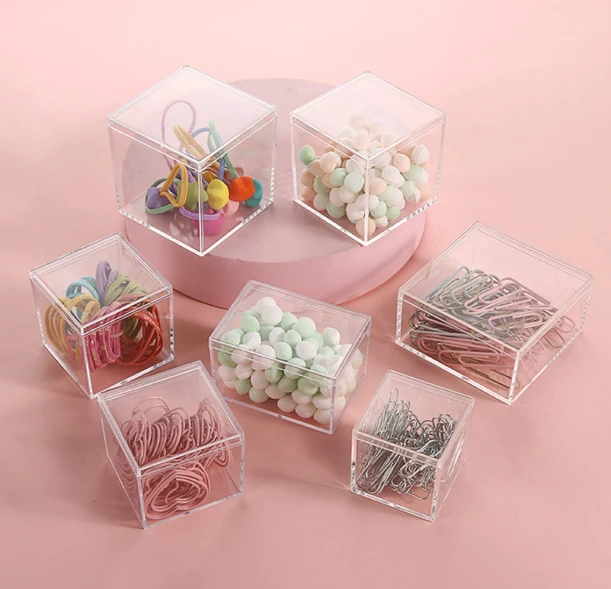
Small acrylic boxes organize items through transparent compartmentalization that keeps contents visible while maintaining separation. The clear material allows instant identification of stored items without opening containers, while stackable designs and modular configurations maximize vertical space efficiency.
Understanding Acrylic Box Organization Systems
The fundamental advantage of small acrylic boxes lies in their ability to create visual inventory systems. When you can see every item at a glance, decision-making becomes faster and clutter naturally decreases. This transparency principle has driven the acrylic storage market to reach $3.5 billion in 2024, with projections indicating growth to $5.2 billion by 2033 at a 5% CAGR.
Small acrylic boxes typically range from 4×4 inches to 10×10 inches, offering different organizational capacities. The material itself-polymethyl methacrylate (PMMA)-provides durability that glass cannot match while maintaining optical clarity. These containers resist shattering, making them practical for areas where safety matters.
The organizational power comes from three core attributes: transparency eliminates guesswork about contents, uniform dimensions enable stacking without wasted space, and the neutral aesthetic integrates with any decor style. Unlike opaque containers that force you to remember or label contents, acrylic boxes turn your storage system into a visual database.
Primary Organization Methods
Compartmentalization by Category
The most effective approach divides items by logical groupings. In cosmetics storage, this means separating skincare from makeup, brushes from palettes. Kitchen applications benefit from grouping spices separately from tea bags, or baking supplies distinct from everyday condiments.
Category-based organization works because it mirrors how people actually search for items. When you need a specific lip color, you go to the makeup box, not the skincare box. This cognitive mapping reduces search time significantly. Many users report finding items 40% faster after implementing category-based acrylic box systems.
The key is maintaining strict category boundaries. The moment items from different categories mix, the system begins breaking down. One recommendation: use drawer dividers or smaller compartmentalized boxes within larger acrylic containers to maintain these boundaries even more rigorously.
Vertical Stacking Configuration
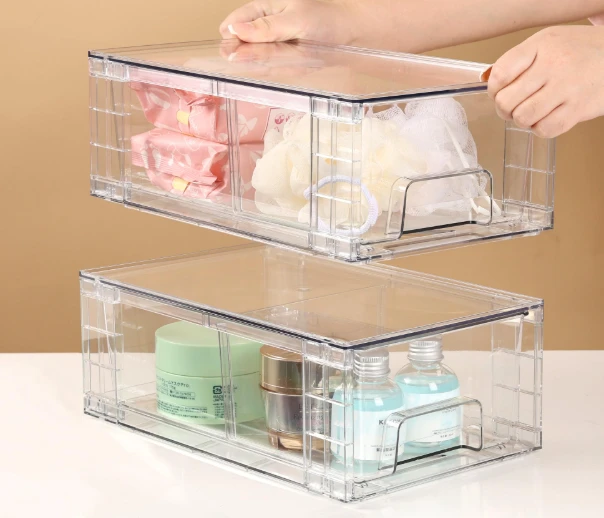
Stackability transforms horizontal storage into three-dimensional systems. Quality acrylic boxes feature recessed lids or interlocking edges that prevent shifting when stacked. This design element proves essential-without secure stacking, boxes slide and the whole system collapses.
Vertical organization follows a frequency-of-use hierarchy. Place daily-access items at eye level or within easy reach. Seasonal or rarely-used items go higher up. This arrangement minimizes the need to unstac
k multiple boxes to reach frequently-needed contents.
Consider weight distribution carefully. Heavier items belong on bottom levels to maintain stability. A common mistake involves stacking light boxes beneath heavy ones, creating an unstable tower prone to toppling. The general rule: if a box weighs more than 2-3 pounds when full, it should occupy a lower position in your stack.
Modular Grid Systems
Grid-based organization uses multiple uniform boxes arranged side-by-side and stacked to create customizable storage walls. This approach gained popularity in craft rooms and offices where inventory changes regularly.
The MUJI brand pioneered modular acrylic systems in the U.S. market, offering boxes designed to fit together precisely. These systems allow users to add or subtract storage units without disrupting the overall organization structure.
Grid systems excel when you need flexibility. As your storage needs evolve, you can reconfigure boxes without replacing the entire system. Some users create seasonal configurations-expanding certain categories during holidays, contracting them afterward.
Color-Coding and Labeling Integration
While acrylic boxes provide visibility, additional identification helps when boxes contain similar-looking items. Color-coded labels on edges or bases create instant visual cues.
The fabric storage community has extensively documented this approach. Quilters use acrylic boxes for fat quarters, labeling each box by color family. This two-layer system-transparent view plus categorical label-combines the benefits of visual and textual organization.
For labeling, removable options work best. Adhesive labels leave residue when you reorganize. Dry-erase markers on frosted acrylic areas or clip-on tags offer more flexibility. Some users employ label makers for a uniform appearance, while others prefer handwritten labels for a personal touch.

Space-Specific Applications
Desk and Office Organization
Small acrylic boxes transform desk surfaces from chaos to calm. The typical configuration includes a pen holder (vertical), a paper clip tray (shallow horizontal box with compartments), and a small drawer unit for sticky notes and stamps.
Office supply organization benefits particularly from acrylic's transparency because small items like paper clips, binder clips, and push pins look similar in opaque containers. Clear boxes eliminate the "digging around" behavior that wastes time.
Desktop real estate is premium space. Acrylic boxes maximize it through vertical stacking. A three-tier acrylic drawer system occupies the same footprint as a single shallow tray but stores three times the content. This vertical expansion proves essential in compact workspaces.
Cosmetics and Personal Care Storage
The cosmetics industry has embraced acrylic storage so thoroughly that specialized designs proliferate. Lip gloss organizers with angled slots, palette holders with adjustable dividers, and rotating towers for skincare products all serve specific needs.
Counter space in bathrooms runs scarce. Acrylic's compact footprint addresses this constraint. A modular drawer system measuring 9×6 inches can store 30+ makeup items that would otherwise scatter across the counter. The transparency factor adds a decorative element-neatly arranged products become part of the bathroom aesthetic.
Practical tip: avoid storing acrylic boxes in direct sunlight near windows. While the material resists UV yellowing better than many plastics (maintaining clarity for 30+ years under normal conditions), prolonged sun exposure can eventually cause discoloration. Morning routines also go faster when products remain visible-no rummaging through closed drawers.
Kitchen and Pantry Solutions
Kitchen organization with small acrylic boxes focuses on two areas: pantry ingredients and drawer organizers. In pantries, boxes corrall small packets, tea bags, spice containers, and snack portions that otherwise create clutter.
The transparency advantage shines during meal prep. You can immediately see you're running low on a particular spice or that certain ingredients have expired. This visual inventory system reduces food waste-forgotten items hidden in opaque containers often go bad before being used.
Drawer organization tackles the infamous "junk drawer" problem. Small acrylic boxes create dedicated zones for batteries, twist ties, bag clips, measuring spoons, and other miscellaneous kitchen tools. The boxes prevent items from sliding around when drawers open and close.
Food safety note: ensure acrylic boxes used for food storage are food-grade certified. Not all acrylic contains food-safe formulations. Reputable manufacturers clearly mark food-safe products.
Craft and Hobby Supplies
Crafters face unique storage challenges-vast quantities of small items in multiple categories. Beads, buttons, sequins, threads, ribbons, and tools all require organization. Small acrylic boxes with compartments solve this by creating a visual inventory where every item has a specific location.
The craft storage market has developed highly specialized acrylic solutions. Boxes with 30-80 small compartments, containers with sliding lids that lock contents in place, and stackable systems that accommodate different-sized items.
Portable organization matters for crafters who attend workshops or crop nights. Small acrylic boxes stack neatly in totes or project bags, maintaining organization during transport. The secure-lid designs prevent bead spills that can ruin a project.
One crafting community insight: photograph your organized boxes before taking them to events. The photo serves as a reference for restoring organization afterward and helps you remember what items you brought.
Jewelry and Accessories Display
Jewelry organization balances functional storage with display aesthetics. Small acrylic boxes with velvet-lined compartments protect delicate pieces while maintaining visibility. Unlike wooden jewelry boxes with closed lids, acrylic versions let you see your entire collection when selecting accessories.
Watches benefit from horizontal boxes with cushioned slots. Earrings require vertical or angled holders. Rings work well in compartmentalized trays. Necklaces need hanging solutions or horizontal boxes with dividers to prevent tangling. The modular nature of small acrylic boxes allows creating customized jewelry storage that addresses each jewelry type's specific needs.
Hotels and spas increasingly adopt acrylic jewelry trays in guest rooms, replacing traditional leather or fabric organizers. The clear material appears cleaner and more hygienic, while guests appreciate seeing their jewelry clearly displayed rather than buried in opaque containers.
Maximizing Organization Effectiveness
Proper Sizing Strategy
Size mismatches undermine organization. Too-large boxes waste space and allow items to jumble together. Too-small boxes require excessive stacking or force omitting items that should be stored.
Before purchasing, measure your available space and inventory your items. Note the footprint (length × width), height requirements, and quantity of each item category. This data prevents buying boxes that don't fit your space or storage needs.
Standard small box sizes include:
Compact: 4×4×2 inches (ideal for small jewelry, office supplies)
Medium: 6×6×3 inches (cosmetics, craft supplies, kitchen items)
Large: 9×6×4 inches (larger collections, divided storage)
Consider drawer dimensions if organizing within furniture. Nothing frustrates more than boxes that almost-but don't quite-fit drawer widths. Measure drawer interior dimensions precisely, accounting for drawer slides that may reduce usable width.
Maintenance and Cleaning Protocols
Acrylic's durability includes resistance to many household chemicals, but proper care extends longevity. Clean boxes with soft microfiber cloths and mild soap solution. Avoid abrasive scrubbers that scratch the surface, reducing transparency.
Scratches are acrylic's primary weakness. While the material resists cracking, hard objects dragged across surfaces create micro-scratches that accumulate over time. Handle boxes gently during reorganization, and place felt pads beneath items with hard edges.
Static electricity attracts dust to acrylic surfaces. Anti-static sprays or regular wiping prevents dust buildup. Some users report better results wiping dry boxes with dryer sheets, which reduce static charge.
Quarterly organization audits maintain system effectiveness. Remove items no longer needed, verify category boundaries remain intact, and clean boxes thoroughly. This regular maintenance prevents the gradual entropy that affects all organization systems.
Common Organization Mistakes
Overcrowding defeats the purpose of transparent storage. When boxes become so full you can't see individual items clearly, you've lost the visibility advantage. A useful rule: leave 20% empty space in each box to maintain visual clarity and allow easy item retrieval.
Mixing incompatible items creates confusion. Storing office supplies alongside craft supplies, or skincare mixed with makeup, makes finding specific items difficult. Maintain strict category discipline from the start.
Ignoring accessibility patterns causes frustration. If you must unstack four boxes every morning to reach your daily cosmetics, you'll eventually abandon the system. Design organization around your actual usage patterns, not theoretical ideals.
Failing to secure stacks leads to accidents. Acrylic won't shatter, but falling boxes still scatter contents. Use non-slip shelf liners beneath box stacks, or choose boxes with interlocking designs that prevent shifting.
Advanced Organization Techniques
Creating Visual Hierarchies
Professional organizers employ visual hierarchy principles when arranging acrylic boxes. Important items occupy prime positions-eye level, easily accessible locations. Supporting items get secondary positions. Rarely-used items move to higher shelves or back positions.
This hierarchy extends to sizing. Larger boxes for frequently-accessed categories draw attention, while smaller boxes for occasional-use items recede visually. The arrangement creates an intuitive system where your eye naturally moves to what you need most often.
Color psychology plays a role too. While acrylic itself is neutral, the items inside create color patterns. Grouping similar colors creates visual calm, while deliberate contrast highlights specific categories. Fashion accessories storage often uses this-neutral everyday items in one area, statement pieces in another.
Seasonal Rotation Systems
Items used seasonally benefit from rotation systems. Holiday decorations, seasonal clothing accessories, and weather-dependent items can cycle between accessible and stored positions.
Implement rotation by maintaining easily-accessible boxes for current-season items and higher-storage boxes for off-season contents. When seasons change, swap box positions rather than reorganizing contents. This approach maintains organization while adapting to changing needs.
Label boxes with both category and season for efficient rotation. "Winter Scarves" or "Summer Hair Accessories" immediately communicates both content and usage period.
Integration with Existing Storage
Small acrylic boxes work within larger storage systems. Place them inside drawers to subdivide space, on closet shelves to organize accessories, or within cabinets to create zones.
The Container Store reports that customers combining acrylic boxes with drawer systems purchase 35% more organizational products over time, suggesting successful initial implementation drives expanded organization efforts.
Drawer integration prevents the common issue of items sliding when drawers open. Boxes remain stationary, maintaining organization automatically. For best results, measure drawer dimensions and select boxes that fit with minimal wasted space.
Purchasing Considerations
Quality Markers
Not all acrylic boxes offer equivalent quality. Thickness matters-premium boxes use 1/8-inch (3mm) or 3/16-inch (5mm) acrylic, while budget options may use thinner material that bows under weight or cracks more easily.
Edge finishing indicates manufacturing quality. Smooth, polished edges suggest better craftsmanship. Rough or sharp edges indicate rushed production and potential safety issues.
Optical clarity varies among manufacturers. High-quality acrylic maintains glass-like transparency. Lower grades show slight hazing or discoloration, reducing the visibility advantage.
Lid fit affects functionality. Lids should attach securely without excessive force, remain in place during normal handling, but remove easily when needed. Test this in stores when possible.
Price vs. Value Analysis
Acrylic boxes range from $3-4 for basic small boxes to $30+ for specialized multi-compartment designs. The price reflects material quality, manufacturing precision, and design features.
Budget options work fine for low-humidity, low-traffic areas. For bathroom counters, high-traffic craft rooms, or frequent reorganization, invest in higher-quality boxes. The durability difference becomes apparent within months.
Bulk purchasing reduces per-unit costs significantly. If organizing multiple areas, buying sets of 10-20 identical boxes costs substantially less than individual purchases. Uniform boxes also create more cohesive visual organization.
Consider cost-per-use over time. A $15 box used daily for five years costs $0.008 per day-negligible compared to the time saved through better organization.
Sustainable Options
Environmental concerns accompany any plastic product. Acrylic's long lifespan (30+ years outdoor durability) offsets some environmental impact through extended use versus frequent replacement.
Some manufacturers now offer recycled acrylic products. While currently more expensive, these options reduce environmental footprint. Companies like Iris USA introduced recycled acrylic lines in 2024, with sales increasing 18% in the first two months.
Acrylic is technically recyclable, though not all municipal programs accept it. Check local recycling guidelines. Some manufacturers offer take-back programs for old boxes.
End-of-life considerations: acrylic boxes outlive their organizational usefulness through changing needs, not material failure. Donate functional boxes to schools, community centers, or non-profits rather than discarding. The transparency and durability make them excellent for educational settings.
Troubleshooting Organization Challenges
When Systems Stop Working
Even well-designed systems eventually fail without maintenance. Common failure points include category drift (items migrating to wrong boxes), overcrowding, and access pattern changes that make original organization impractical.
Address category drift immediately. When you notice items in wrong boxes, stop and investigate why. Perhaps the original category system doesn't match actual usage patterns. Adjust categories to reflect reality rather than fighting natural usage.
Overcrowding requires adding boxes or eliminating items. The decision point: can you easily see and access everything in the box? If not, it's overcrowded. Don't force more items into already-full boxes-that defeats transparency benefits.
Adapting to Changing Needs
Life changes demand storage adaptation. New hobbies, different jobs, family changes all shift storage requirements. Acrylic boxes' modular nature facilitates adaptation without complete system replacement.
When adding categories, maintain visual consistency by purchasing matching boxes. Mismatched boxes create visual clutter that undermines the clean aesthetic acrylic organization provides.
Reducing storage follows the reverse process. Don't keep empty boxes occupying valuable space. Store unused boxes elsewhere or donate them. The system should scale to current needs, not potential future needs.
Space Constraint Solutions
Limited space requires creative solutions. Vertical expansion works when floor space is limited but height is available. Tiered organizers or tall stacking configurations maximize vertical space.
Consider door-mounted options. Over-door racks can hold lightweight acrylic boxes, utilizing otherwise-wasted vertical space. Ensure mounting hardware supports the weight of filled boxes.
Magnetic strips on metal surfaces can secure small acrylic boxes in unexpected locations. This works particularly well in workshops or craft areas with metal shelving or cabinets.
Frequently Asked Questions
How do I prevent small acrylic boxes from scratching?
Handle boxes gently and avoid sliding them across surfaces. Place felt pads beneath boxes and inside them under items with hard edges. Clean with soft microfiber cloths only-never abrasive scrubbers. For drawer storage, use drawer liners to cushion boxes during opening and closing. Scratches accumulate mainly from friction during movement, so minimizing direct contact prevents most damage.
Can acrylic boxes be used in humid environments like bathrooms?
Yes, acrylic resists moisture and humidity without warping or degrading. This makes it ideal for bathroom storage where wood might swell and metal might rust. However, ensure boxes have adequate drainage or ventilation to prevent water accumulation inside. Wipe boxes dry after exposure to steam or splashes to prevent mineral deposits from hard water.
What's the best way to remove adhesive residue from acrylic boxes?
Use rubbing alcohol or specialized acrylic cleaner applied with a soft cloth. Avoid acetone or nail polish remover-these can damage acrylic surfaces. For stubborn residue, apply a small amount of cooking oil, let it sit for a few minutes, then wipe clean with mild soap and water. Test any cleaning solution on an inconspicuous area first.
How many items should I store in one small acrylic box?
Maintain 15-20% empty space to preserve visibility and easy access. For a 6×6×3-inch box, this typically means 10-15 small items like lipsticks or 5-8 larger items like eyeshadow palettes. When you can no longer easily see and identify individual items, the box is overcrowded. The transparency advantage disappears once items stack too densely.
Do acrylic boxes yellow over time?
High-quality acrylic resists yellowing for 30+ years under normal indoor conditions. Avoid prolonged direct sunlight exposure, which accelerates yellowing. Cheaper acrylic may yellow more quickly due to lower-quality materials or inadequate UV stabilizers. Purchase from reputable manufacturers who specify UV resistance if boxes will be near windows.
Can I stack different-sized acrylic boxes safely?
Stack uniform sizes for best stability. Mixed-size stacking works only if larger boxes remain at the bottom. Ensure bottom boxes can support the weight of those above-a general rule suggests no more than 5-10 pounds total per stack unless boxes are specifically designed for heavy-duty stacking. Use non-slip shelf liners between boxes to prevent shifting.
Small acrylic boxes transform disorganized spaces into functional systems through thoughtful application of transparency, modularity, and categorization principles. The organizational power stems not from the boxes themselves but from how users implement them within their specific contexts. Success requires matching box sizes to contents, maintaining category discipline, and designing systems around actual usage patterns rather than aesthetic ideals.
The market growth projected through 2033 suggests that more people are discovering these organizational advantages. As the product ecosystem expands with increasingly specialized designs, the ability to create precisely-tailored storage solutions only improves. What matters most is starting with a clear understanding of what you need to organize, then selecting and arranging boxes to serve those specific needs.


