


What Is Matte Finish?
Matte finish gets requested a lot these days. Clients send over a sample part, point at the surface, say they want "that look." Half the time they don't know the VDI number or SPI class. They just know glossy won't work for their application.
So here's the deal with matte on acrylic.
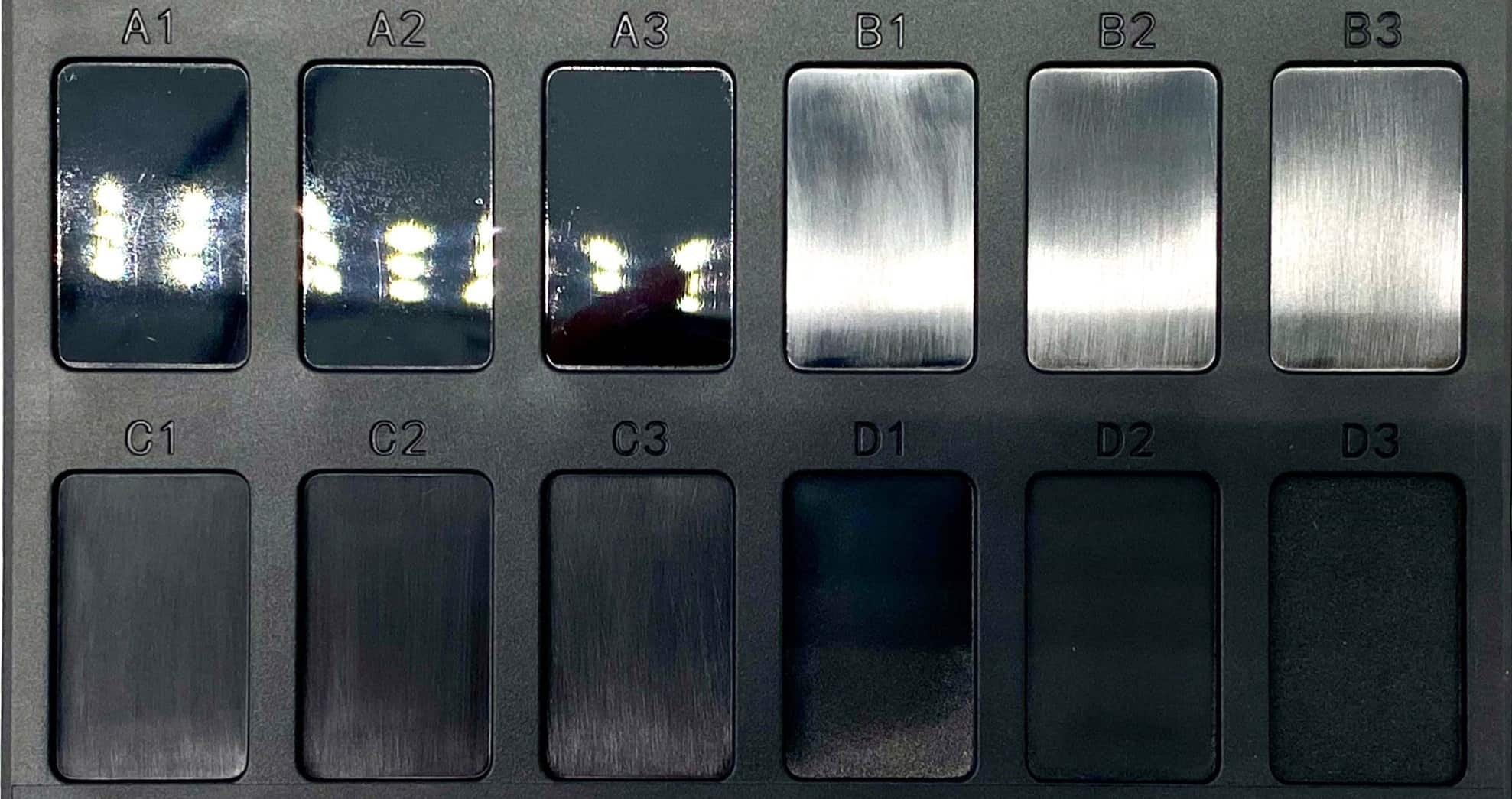
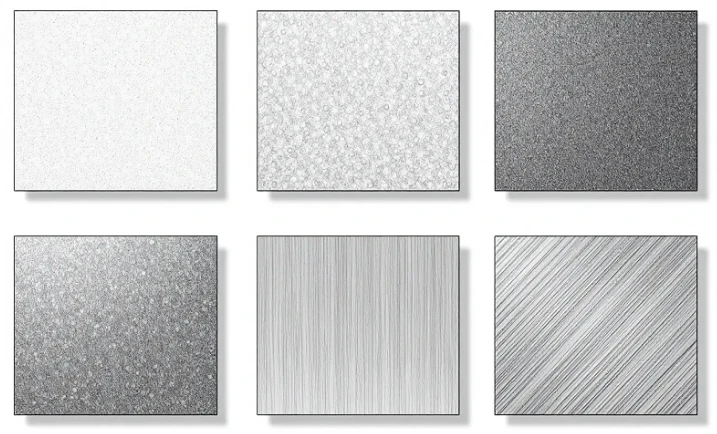
The surface has micro-texture that breaks up light reflection. Instead of a mirror bounce, you get scatter. That's it. Nothing fancy about the physics. The texture depth determines how matte it reads. Shallow texture, slight sheen still visible. Deeper texture, dead flat.
How Shops Actually Do This
Sandblasting is the quick and dirty method. Aluminum oxide, 100-150 mesh, 50-70 psi, keep the gun moving. Stop in one spot too long and you'll blow a soft patch. I've seen guys ruin $400 worth of sheet stock in ten minutes because they weren't paying attention. The finish looks decent but it's hard to match batch to batch. Your Tuesday parts won't look exactly like your Friday parts.
Chemical etch gives more consistency but the setup is a pain. You need ventilation, containment, disposal paperwork. Most small shops don't bother. The bigger operations that do high volume matte acrylic injection molding services have dedicated etch lines. They dial in the concentration and dwell time, run hundreds of parts a day, get repeatable results.
Mold texture is the cleanest approach for production quantities. The texture gets EDM'd or acid-etched right into the tool steel. Every shot comes out identical. VDI 24-30 covers most matte requests. VDI 33 and up starts looking rough, almost like sandpaper. Most product designers spec VDI 27 without really knowing why-it's just what they've seen on other parts they liked.
Finding a matte texture injection mold supplier who actually understands acrylic is harder than it sounds. Acrylic flows different than ABS or PP. It's stiffer, doesn't pack corners as easy, shows flow lines if you push it. A shop that runs commodity resins all day will struggle with PMMA on textured tools. The texture hides some sins but not all of them.
The Numbers That Matter
Ra gets thrown around a lot. 1.0 to 2.5 microns covers most matte work. But Ra alone doesn't tell you how the surface will look. Two parts can measure the same Ra and look completely different. Peak spacing matters. Valley depth matters. The whole profile shape matters.
Gloss readings are more useful for QC. Under 10 GU at 60° is solidly matte. 10-25 is satin territory. Above 30 you're getting into semi-gloss. Most custom matte acrylic parts manufacturers put gloss specs on the print now instead of just writing "matte finish." Saves arguments later.
Light transmission takes a hit with texture. Clear acrylic that started at 92% might drop to 83-85% after heavy matte treatment. For diffuser panels this is fine, it's the whole point. For windows or covers where you need to see through, you might want light matte only, or matte on one side.
Where This Stuff Ends Up
Retail displays. Museum cases. Lighting panels. Device housings. Anything where glare kills the product presentation.
The housings market has grown like crazy. Every consumer electronics company wants soft-touch matte now. They send RFQs to acrylic injection molding suppliers asking for "premium matte, no fingerprints, scratch resistant." Good luck with that last one. Matte surfaces scratch easier than gloss. The texture that hides fingerprints also hides your scratch resistance. Pick your tradeoff.
Signage guys love matte for outdoor applications. Glossy faces turn into mirrors when the sun hits them. Matte stays readable.
Handling Without Ruining the Finish
Leave the masking on. I mean it. Every time.
Matte shows fingerprints worse than gloss, not better. People think matte hides prints. Wrong. The oils sit on top of the peaks and catch light differently than the valleys. Prints show up as shiny spots on a matte field. Obvious from ten feet away.
Cotton gloves help. Those cheap white inspection gloves from the safety catalog. Two bucks for a dozen pair. Cheaper than scrapping parts.
Scratches on matte can't really be buffed out like you can with gloss. The scratch cuts through the texture. Your options are re-blast the whole surface, re-coat it, or scrap it. This is why serious production work goes through an injection molded matte parts manufacturer instead of secondary finishing. Parts come out of the mold done. Less handling, less scrap.
Stacking matte sheet without interleaving paper is asking for trouble. Two matte faces pressed together will mark each other up. Seen it happen. Guy thought he'd save time, stacked fifty sheets raw, middle thirty were all scuffed. That was an expensive lesson.


