


Custom Acrylic Blocks
Premium Clear Display Solutions for Retail, Museums, Photography, and More
Custom Acrylic Blocks
Acrylic blocks are solid, transparent display pieces made from cast PMMA (polymethyl methacrylate) that provide 92% optical clarity for product presentation, retail displays, and custom fabrication projects.
These versatile display blocks serve industries ranging from jewelry retail to museum exhibitions, offering superior durability and light transmission compared to traditional glass alternatives.
92% Optical Clarity
50% Lighter Than Glass
17x Stronger Than Glass
Customizable Options

What Makes Quality Acrylic Blocks Stand Out
Premium acrylic blocks combine material excellence with precise manufacturing to deliver exceptional performance and visual appeal.
Optical Excellence
Cast acrylic blocks deliver superior optical properties compared to extruded alternatives, with consistent clarity throughout the material and better chemical resistance.
92% light transmission
Refractive index of 1.49
Non-yellowing properties
Precision Manufacturing
The manufacturing process determines the final quality-diamond polishing and hand buffing create edges with high-gloss finishes that maximize light reflection.
Diamond-polished edges
Hand buffing for perfect finish
Tight thickness tolerances
Superior Performance
Material composition directly impacts performance. Medical-grade PMMA offers exceptional durability and resistance to environmental factors.
17x stronger than glass
Half the weight of glass
Temperature range: -30°F to 190°F
Premium acrylic blocks have revolutionized our product displays. The clarity and durability have significantly improved our customers' shopping experience, with a 23% increase in product engagement since implementation.
Retail Display Association | 2024 Industry Report
Key Specifications
| Specification | Standard | Premium | Custom |
|---|---|---|---|
| Edge Finish | Machine-cut | Diamond-polished | Customizable |
| Surface Clarity | Standard | Optical-grade | High-definition |
| UV Resistance | Basic | Advanced | Custom formulations |
| Impact Strength | Standard | High | Reinforced options |
| Temperature Tolerance | -20°F to 170°F | -30°F to 190°F | Extended range available |
Primary Applications Across Industries
Acrylic blocks serve a wide range of industries, providing versatile display solutions that enhance product visibility and presentation.

Retail Display
Jewelry stores use blocks as risers to elevate pieces, allowing light to pass through and around precious metals and gemstones from all angles.
23% increase in product engagement reported

Museum & Gallery
Acrylic blocks serve as mounting platforms for artifacts, with engraved information panels integrated directly into the block surface.
UV-blocking properties protect sensitive materials

Photography
The transparent base eliminates visual distractions while creating interesting light refraction effects for product photography.
Ideal for jewelry, watches, and small electronics

Manufacturing Prototypes
Engineers create custom parts through precise milling, with the material's machinability allowing for tight tolerances.
Laser engraving adds product information directly to prototypes

Laboratory Use
Laboratory demonstrations utilize blocks for optical experiments and teaching applications with consistent refractive properties.
Perfect for physics education and light behavior studies
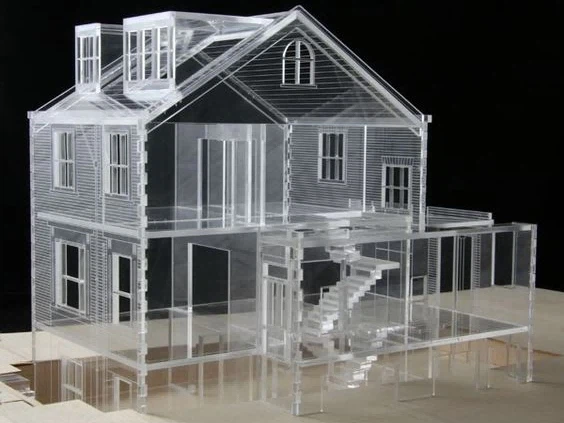
Architectural Models
Architecture firms prefer acrylic over actual glass for model-making due to safety considerations and easier modification.
Represents glass building elements at scale
"PMMA's unique optical properties, including its 92% light transmission and consistent refractive index of 1.49, make it an ideal material for precision applications ranging from high-end displays to scientific instruments. Its ability to maintain clarity over time while offering superior impact resistance compared to glass has positioned it as the material of choice in numerous professional settings."
Materials Science Journal, 2024
https://pubmed.ncbi.nlm.nih.gov/33506128/
Customization Capabilities
Modern acrylic fabrication offers extensive customization options to meet your specific needs and design requirements.
Technical Specifications
Size Availability
Customization Techniques
Acrylic Versus Glass
A detailed comparison of acrylic blocks versus traditional glass alternatives.

Glass Block
Heavier, less impact resistant
| Property | Acrylic | Glass | Advantage |
|---|---|---|---|
| Weight | 0.4 lbs (4" × 4" × 2") | 0.8 lbs (same size) | Acrylic (50% lighter) |
| Impact Resistance | Withstands 6-foot drop onto concrete | Shatters completely | Acrylic (17x stronger) |
| Scratch Resistance | Moderate (easily polished) | High | Glass |
| Optical Clarity | 92% light transmission | 92%+ light transmission | Comparable |
| Cost | 30-40% lower production costs | Higher initial cost | Acrylic |
| Processing | Easy to cut, drill, and shape | Requires specialized tools | Acrylic |
| UV Resistance | Excellent (with inhibitors) | Good (varies by type) | Acrylic |
Performance Comparison

Cost Analysis: 5-Year Total Cost of Ownership
Acrylic Blocks
| Initial Cost | $1,000 |
| Shipping Costs | $150 |
| Installation | $200 |
| Maintenance | $100 |
| Replacement (5 years) | $200 |
| Total Cost | $1,650 |
Glass Blocks
| Initial Cost | $1,400 |
| Shipping Costs | $300 |
| Installation | $400 |
| Maintenance | $150 |
| Replacement (5 years) | $800 |
| Total Cost | $3,050 |
Acrylic blocks offer a 60% lower total cost of ownership over 5 years compared to glass blocks.
Manufacturing Excellence
Our manufacturing process emphasizes quality at each production stage to deliver premium acrylic blocks.
Raw Material Selection
We begin with certified virgin PMMA pellets, ensuring consistency and purity. Recycled acrylic is never used for optical-grade blocks, as material degradation compromises clarity.

Cell Casting
Cell casting creates blocks with superior optical properties. The process involves polymerizing liquid monomer between glass plates, producing sheets of predetermined thickness. This method allows molecular chains to form without stress, resulting in exceptional clarity throughout the material.

Precision Cutting
Precision cutting utilizes CNC diamond-tipped saws that minimize heat buildup. Excessive heat during cutting can induce stress fractures or cloudiness at cut edges. Water cooling systems maintain optimal temperatures throughout the cutting process.

Edge Polishing
Edge polishing determines final appearance quality. Diamond polishing compounds progressively refine edge surfaces through multiple stages, from coarse to fine grits. Hand buffing with soft wheels applies final polish, creating the mirror-like finish that distinguishes premium blocks.

Quality Control
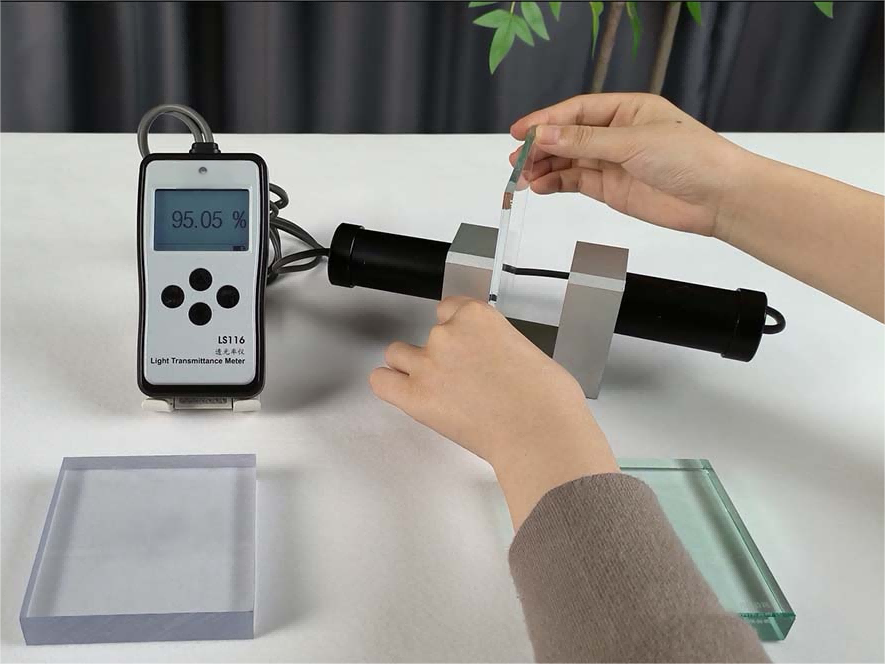
Quality control inspections verify edge clarity under magnification before blocks proceed to packaging. Our quality assurance protocols include light transmission testing, dimensional verification, visual inspection, drop testing, and UV exposure testing.
Installation and Maintenance Best Practices
Proper Handling
Protective Films
Keep protective films in place until final installation to prevent scratches during transportation and positioning.
Removing Films
Remove films carefully to avoid leaving adhesive residue-warm soapy water dissolves any remaining adhesive without scratching surfaces.
Avoid Damage
Never use ammonia-based cleaners (including most glass cleaners) or solvents, as these chemicals attack acrylic surfaces, causing cracks or cloudiness.
Cleaning and Care
Cleaning Methods
Microfiber cloths with pH-neutral soap solutions remove fingerprints and dust without scratching. Avoid paper towels, which contain wood fibers that scratch acrylic.
Scratch Removal
Automotive acrylic polish compounds work effectively for light scratches. Apply with soft cloths using circular motions, gradually working from coarse to fine compounds.
Long-term Care
Store blocks away from direct sunlight when not in use. Maintain temperature below 190°F to prevent softening. Use protective padding when stacking multiple blocks.
Design Integration Strategies
Effective ways to incorporate acrylic blocks into retail spaces for maximum impact.
Lighting Design
LED backlighting creates dramatic effects, with light traveling through acrylic and reflecting at displayed product surfaces. Positioning lights at block bases produces upward illumination that highlights products without creating harsh shadows.
Tiered Arrangements
Varying block heights creates dynamic product presentations that guide customer attention across multiple items. Mixing block sizes (small, medium, large) in single displays prevents monotony while maintaining cohesive appearance.
Color Psychology
While clear blocks suit most applications, colored acrylic can reinforce brand identity or create thematic displays. Jewelry stores report blue-tinted blocks enhance silver jewelry presentation, while warm amber tints complement gold pieces.
Effective Display Configurations
Stepped Pyramid
Ideal for jewelry collections, creating visual hierarchy and guiding customer attention.
Scattered Groupings
Creates artistic product presentations with a more organic, less structured appearance.
Linear Alignments
Perfect for formal or corporate displays requiring clean, organized presentation.
Nested Configurations
Uses progressively smaller blocks for a contained, focused product presentation.
Suspended Blocks
Creates floating product presentations that appear to defy gravity.
Mixed Media
Combines acrylic blocks with other materials like wood or metal for unique displays.
Custom Solutions for Unique Requirements

Luxury Watch Retailer
200 blocks with laser-engraved brand logos and integrated LED bases. The 8-week project included prototyping, approval, production, and international shipping.

Museum Exhibition
50 blocks in various sizes with carved recesses holding artifacts at specific angles. Custom CAD modeling ensured precise fit for each artifact.

Corporate Headquarters
A sculptural installation using 75 acrylic blocks in a cascading arrangement. Blocks ranged from 2" to 8" cubes, with specific blocks containing engraved company milestones.
Industry Trends and Developments
Emerging technologies and market trends shaping the future of acrylic display solutions.
Sustainable Manufacturing
Recycling programs now recover production waste, with scrap material reprocessed into non-optical grade products. Carbon footprint reduction initiatives include energy-efficient casting processes and local sourcing of raw materials.
Smart Integration
LED strips embed within acrylic blocks, controlled via smartphone apps for dynamic lighting effects. Some manufacturers experiment with embedded sensors that track customer interaction with displays.
Nanotechnology Coatings
Anti-fingerprint treatments reduce cleaning frequency, while scratch-resistant coatings address acrylic's primary weakness compared to glass. These coatings maintain optical clarity while adding functional benefits.
Market Projections (2024-2025)
The global acrylic products market reached $88.91 billion in 2024, growing at 18.3% annually. Display applications represent approximately 15% of this total, driven by retail expansion and e-commerce companies opening physical showrooms.
Customization demand continues increasing. Standard product sales decline relative to custom-fabricated solutions, with clients seeking differentiation through unique display elements.
Augmented reality integration may transform display design. Experimental systems overlay digital information onto physical displays, with acrylic blocks serving as AR markers. While mainstream adoption remains years away, early implementations show promise for interactive retail experiences.

Frequently Asked Questions
What is the difference between cast and extruded acrylic blocks?
Cast acrylic blocks are produced by polymerizing liquid monomer between glass plates, resulting in superior optical clarity, better chemical resistance, and higher molecular weight. They cost more but deliver better performance for display applications. Extruded acrylic is manufactured by pushing softened acrylic through dies, offering more consistent thickness but slightly lower clarity. For premium displays where visual quality is paramount, cast acrylic is the professional standard.
Can acrylic blocks be used outdoors?
Acrylic blocks perform well in outdoor environments with proper UV protection. Quality acrylic includes UV inhibitors that prevent yellowing and brittleness from sun exposure. Temperature tolerance ranges from -30°F to 190°F for standard formulations. However, extreme temperature cycling (hot days to freezing nights) can eventually cause stress cracks. For permanent outdoor installations, consider specialized outdoor-grade acrylic formulations or protective placement that minimizes direct sun exposure during peak hours.
How do l remove scratches from acrylic blocks?
Light scratches respond to automotive acrylic polish applied with microfiber cloths using circular motions. Work progressively from coarse to fine compounds for best results. For moderate scratches, wet-sanding with 1000-grit sandpaper followed by polishing removes damage while maintaining clarity. Deep scratches may require professional refinishing that restores factory polish. Prevention is preferable-keep protective film in place until installation and use proper cleaning techniques to avoid creating new scratches.
What sizes and thicknesses are available for custom orders?
Standard acrylic blocks range from 1-inch cubes to 12" × 12" × 6" rectangular pieces. Custom sizing extends to 6 inches in thickness for specialized applications, with length and width limited primarily by shipping constraints. Minimum order quantities apply to custom sizes-typically 10 pieces for simple dimensions, higher quantities for complex specifications. Lead times for custom orders range from 4 to 8 weeks depending on size, quantity, and finish requirements.
How does acrylic compare to glass in terms of cost?
Production costs for acrylic run 30-40% lower than glass equivalents, with savings increasing for custom sizes. Shipping costs decrease due to lighter weight, and breakage losses during transport virtually disappear. Over a 5-year period, retailers report total cost of ownership is 60% lower for acrylic displays compared to glass. While glass may have a lower initial purchase price, the long-term savings and performance benefits of acrylic make it the more cost-effective choice for most display applications.
Why Choose Ouke Display for Acrylic Blocks
With over 15 years of specialized experience in acrylic fabrication, we combine manufacturing excellence with comprehensive customization services.
Manufacturing Excellence
Our Shenzhen facility houses advanced CNC machining equipment, precision laser engraving systems, and quality control laboratories ensuring every block meets exacting specifications.
Competitive Pricing
Direct factory pricing eliminates middleman markup, with volume discounts available for larger projects. Our engineering team provides complimentary design consultation.
Quality Assurance
Quality assurance protocols verify optical clarity, dimensional accuracy, and finish quality before blocks leave our facility. Each order includes protective packaging designed for international shipping.


