


Figure Display Cases: Custom Acrylic Solutions
Protect and showcase your collectibles with crystal-clear visibility and superior durability.
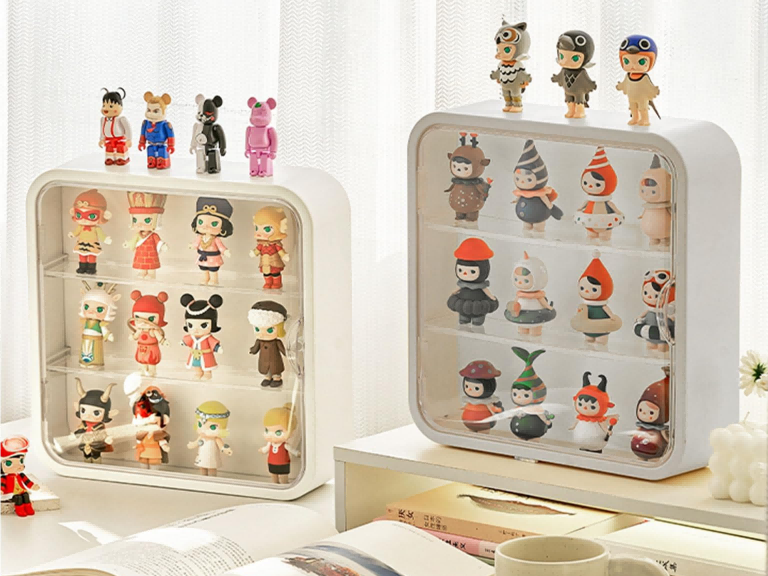
Protect and Showcase Your Valued Collectibles
Figure display cases protect collectibles from dust, UV damage, and handling while showcasing them with crystal-clear visibility. Quality acrylic figure display cases offer superior impact resistance compared to glass, with 92%+ transparency and customizable dimensions to fit action figures, anime collectibles, and model kits of any size.
Superior Protection
Shield your collectibles from dust, UV damage, and accidental handling with our premium acrylic cases.
Crystal-Clear Visibility
Enjoy 92%+ transparency that showcases every detail of your collectibles without distortion.
Custom Solutions
Get perfectly sized cases tailored to your specific collectibles, regardless of shape or size.
Why Acrylic Figure Display Cases Outperform Traditional Options
Collectors face a common dilemma: glass cases provide clarity but shatter easily, while plastic alternatives often yellow or scratch within months. Acrylic display cases solve both problems. The material weighs half as much as glass yet withstands impacts up to 17 times better, making it practical for wall-mounted displays or multi-shelf installations.
UV resistance matters more than most collectors realize. Standard acrylic blocks 92-96% of harmful UV rays, while museum-grade options reach 99%+ protection. This difference becomes visible within 6-12 months on vibrant figures exposed to indirect sunlight.
Material thickness directly impacts durability. Cases smaller than 12 inches work fine with 3mm acrylic, but larger displays require 4-5mm sheets to prevent bowing. Our cutting precision reaches 0.1mm tolerance using Japanese-imported saw blades, ensuring panels fit flush without gaps that accumulate dust.
"Acrylic display cases have revolutionized museum exhibit design by providing an optimal balance between preservation and visibility. Their UV protection capabilities and impact resistance make them superior to traditional glass for long-term artifact display."
- Modern Exhibition Design: Acrylic Display Cases in Museums, sanait.com
17x
More Impact Resistant
92%
Transparency
50%
Lighter Than
99%
UV Protection
Figure Display Cases: Custom Sizing for Every Collection Type
Our custom acrylic display cases are designed to fit any collection, from small action figures to large model kits and everything in between.

Action Figure Cases
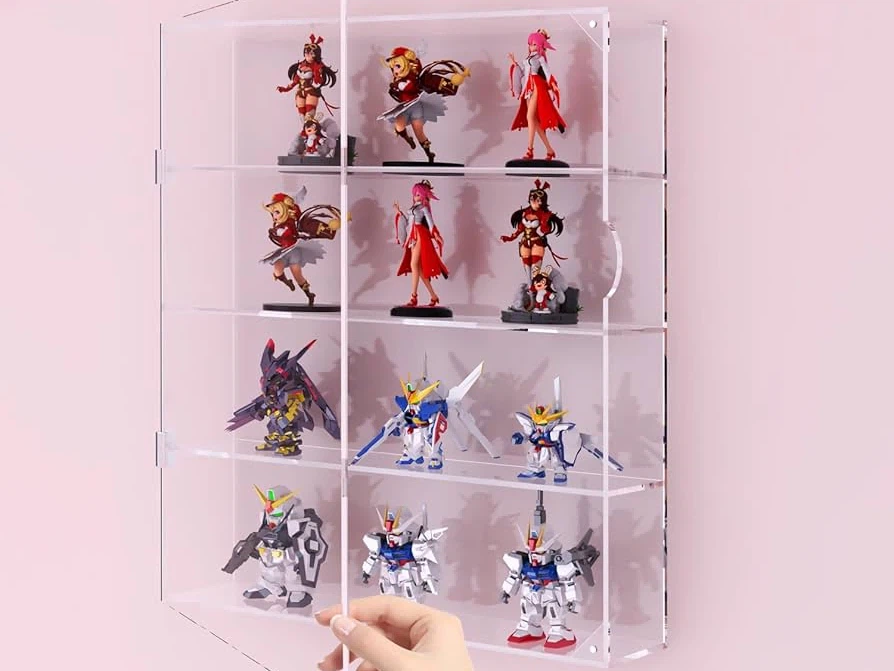
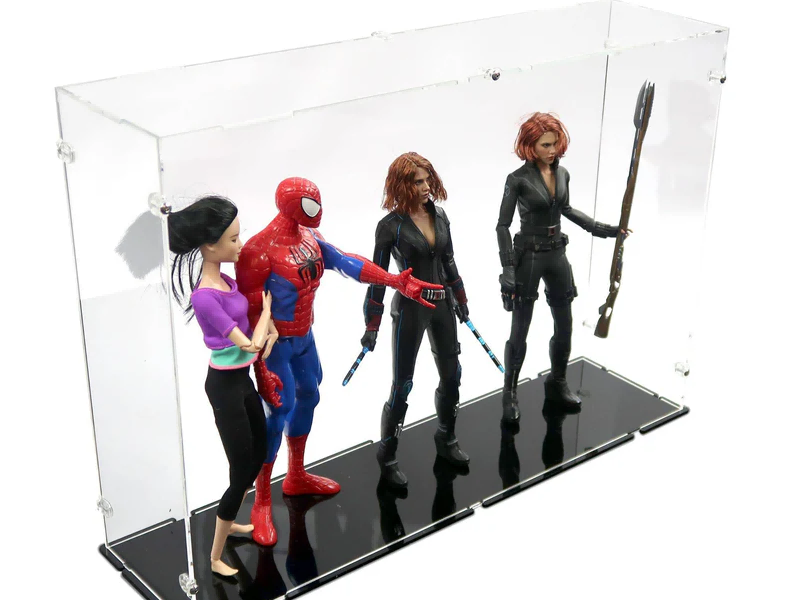
For 3-12 inch figures like Marvel Legends or Star Wars Black Series.
7.5" height clearance for standard 6-inch figures with accessories
30-45mm depth for different packaging types
Reinforced backing for wall-mounted configurations
Sliding access panels for easy rearrangement

Anime Figure Solutions
For scale figures from 1/7 to 1/4 sizes and Nendoroid collections.
Custom dimensions for flowing hair and dynamic poses
10-12 inches height for prize figures with removable bases
Stepped acrylic risers for multi-tier Nendoroid displays
LED integration with 7 color options and dimming functions

Model Kit Protection
For Gunpla, aircraft, and other detailed model kits.
Extra-large cases for 12-24 inch Master Grade and Perfect Grade kits
Removable bases for maintenance access
Black acrylic bases for floating illusion effect
Sealed design with 45-degree angle bonding for dust protection
View Preservation
Real-World Installation Examples
See how our custom acrylic display cases have been implemented in various settings, from private collections to museums.
Private Collection: Hot Toys 1/6 Scale Display Wall
A collector in California needed 32 individual cases to display premium 1/6 figures, each valued at $250-400.
Project Requirements:
Interior dimensions: 15"H x 9"W x 9"D per case
Wall-mounted with invisible hardware
Magnetic closures for tool-free access
UV-resistant acrylic (96%+ protection)
Result: The client reported zero UV fading after 18 months in a south-facing room, with magnetic seals maintaining dust-free interiors despite California's dry climate.
Retail Store: Rotating Action Figure Display
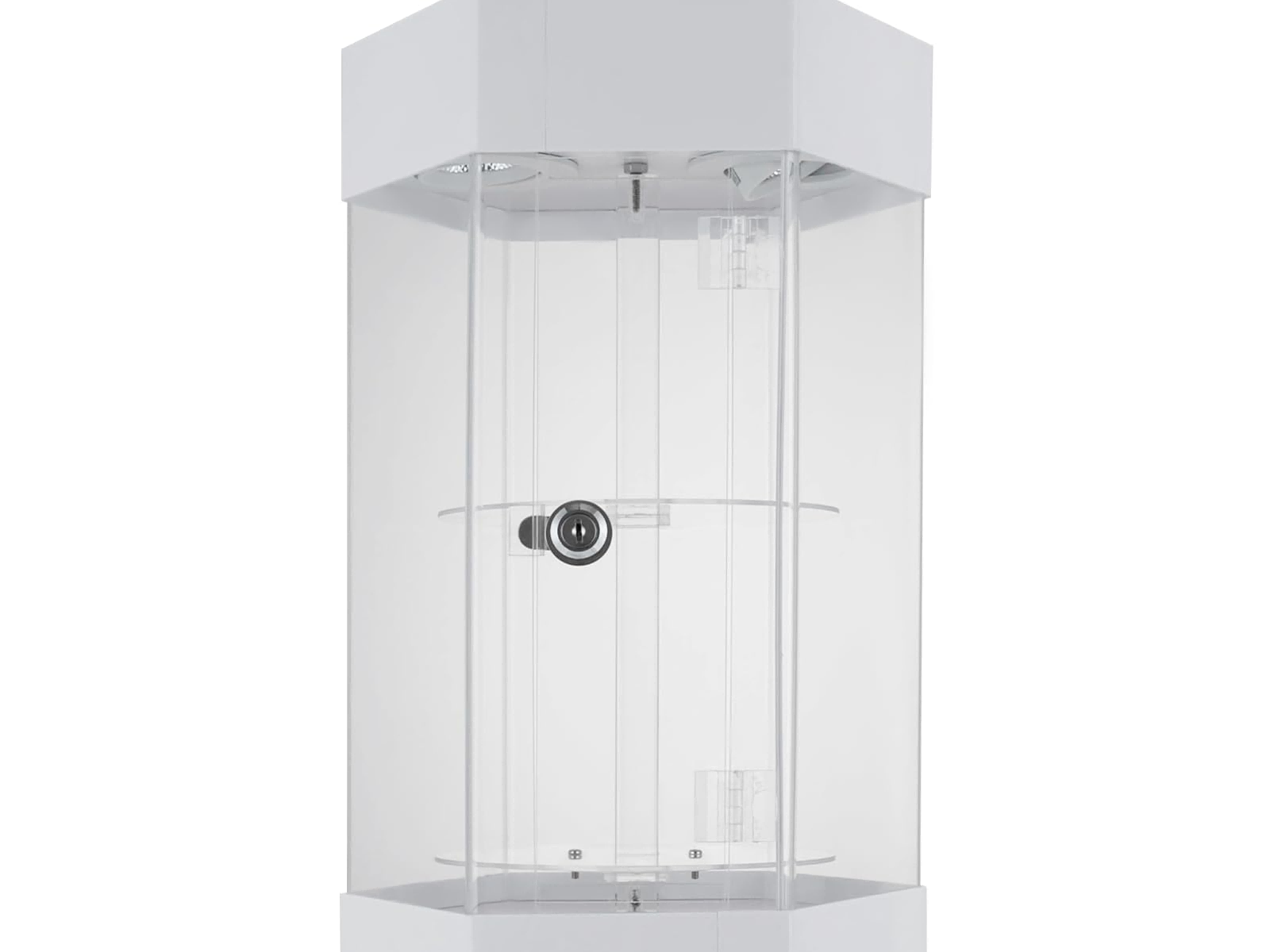
A comic shop in Texas required a freestanding display for rotating inventory.
Custom Specifications:
Octagonal center column with 8 display faces
Each face: 10"W x 14"H x 6"D
Motorized base for 360-degree rotation
Lockable access panels
Result: Shop traffic increased 23% after installation, attributed to the kinetic display attracting attention from passersby through the storefront window.
Museum Exhibition: Vintage Japanese Robot Toys
A traveling exhibition showcased 50 collectible robots from the 1970s-80s, some valued over $3,000.
Special Requirements:
Museum-grade UV protection (99%)
Climate seals to maintain 45-50% humidity
Anti-reflective coating on viewing panels
Security-rated locks
Result: Exhibition ran 6 months across 4 venues with zero damage to any displayed item, meeting insurance requirements for irreplaceable collectibles.

Material Selection and Durability Factors
Understanding the differences in materials and construction techniques helps you make informed decisions for your collection.
Cast vs. Extruded Acrylic: Performance Differences
Cast acrylic sheets offer 98%+ transparency and superior chemical resistance, making them ideal for long-term displays. The cell-casting process produces material with higher molecular weight, resulting in better stiffness and strength. Cast sheets machine cleanly with minimal edge stress.
Extruded acrylic costs 20-30% less but transparency drops to 92% and molecular weight decreases. This affects bending and thermoforming applications. For straight-panel display cases, cast acrylic justifies the premium through enhanced clarity and longevity.
Key Differences:
Cast Acrylic
• 98%+ transparency
• Higher molecular weight
• Better chemical resistance
• ±0.2mm thickness tolerance
• Superior long-term clarity
Extruded Acrylic
• 92% transparency
• Lower molecular weight
• Less chemical resistance
• ±0.5mm thickness tolerance
• May yellow over time
Bonding Techniques That Prevent Yellowing
Standard acrylic adhesives contain solvents that yellow within 2-3 years under UV exposure. We developed a proprietary adhesive formula that cures through capillary action, creating molecular bonds stronger than the base material. Cure time: 24 hours at 25°C.
45-Degree Angle Bonding
Creates nearly invisible seams compared to flat-edge bonding. This technique requires precision cutting at exact 45-degree angles, possible only with CNC equipment maintaining 0.1mm accuracy. The bonded edges appear as single continuous surfaces when viewed from any angle.
Flame Polishing
We pass acrylic edges through 3000°C hydrogen flames for 0.3 seconds, melting the surface to optical smoothness. This process removes micro-scratches from cutting, restoring transparency to 98% along edges.
Impact Resistance and Safety Features
Acrylic withstands impacts 17x better than glass of equivalent thickness. A 4mm acrylic panel survives drops from 1.2 meters onto concrete without shattering. When damage does occur, acrylic cracks rather than shattering into dangerous shards.
For high-traffic retail environments, we recommend 5mm minimum thickness with rounded corners. Edge rounding eliminates the sharp 90-degree corners that concentrate stress during impacts. Corner radius: 3mm produces optimal strength while maintaining clean aesthetics.
Scratch Resistance
Comes from hard-coating treatments applied post-fabrication. We offer optional coating that increases surface hardness from 3H to 6H on the Mohs scale, reducing visible scratching from routine cleaning. The coating adds 2-3µm thickness without affecting optical properties.
Material Comparison

Customization Options and Design Flexibility
Tailor your display cases to perfectly match your collection and space requirements with our extensive customization options.
Adjustable Shelf Configurations
Collectors' needs evolve as they acquire new pieces. Fixed-shelf cases limit future reorganization. Our modular shelf system uses acrylic support pins inserted into pre-drilled holes at 1-inch vertical intervals.
Each shelf supports up to 3kg when properly configured
6mm clear acrylic support pins, nearly invisible
Shelves slide out for easy cleaning or rearrangement
Three-tier and five-tier configurations available
Mirror Backing and Base Options
Mirror-backed cases double the visible detail on 3D figures by reflecting the rear view. We bond mirror-finish acrylic sheets to case backs using optical-grade adhesive that doesn't create distortion or bubbles.
Base options include:
Clear acrylic: Matches case for unified appearance
Black acrylic: Creates high-contrast backdrop
Colored acrylic: 12 standard options available
Turf/fabric: Green turf or black felt options
Built-In LED Lighting Systems
LED strips transform basic display cases into illuminated showpieces. We install SMD 2835 LED strips along case perimeters, providing 18-22 lumens per inch.
Color temperature options:
3000K (warm white): Creates cozy atmosphere
4500K (neutral white): Balanced clarity
6500K (cool white): Maximum visibility
RGB programmable: Seven color options
Illuminated Display Solutions
Our integrated LED lighting systems enhance your collection's visual appeal while maintaining optimal conservation conditions.
Low heat emission (less than 5°C temperature increase)
UV-free options available for maximum preservation
USB-powered for easy installation (3.6 watts per meter)
Dimming controls (10-100% brightness adjustment)
Motion-sensor activation options
LED lifespan: 50,000+ hours with proper use
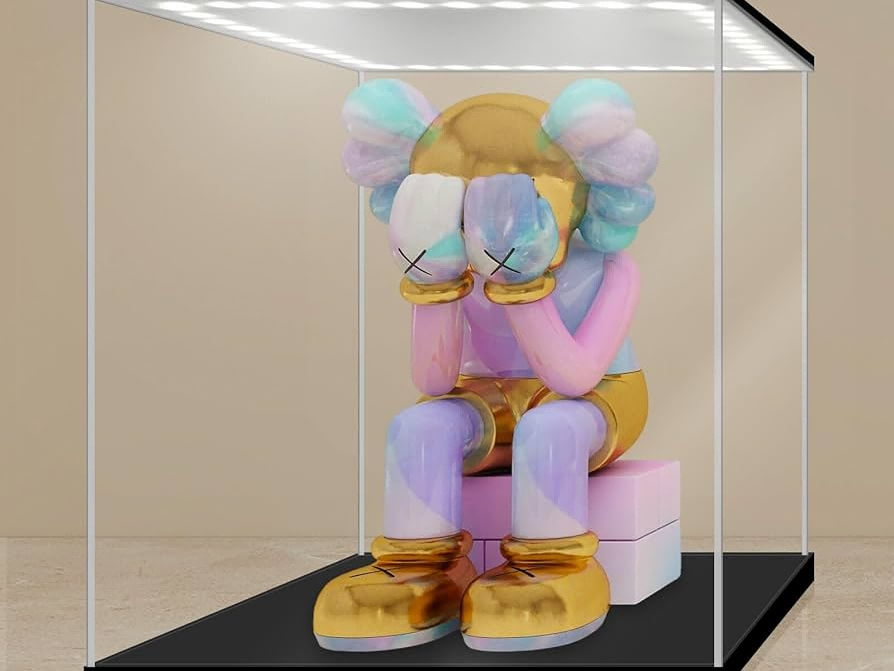
Preservation Best Practices for Long-Term Display
Proper care and environmental control are essential for preserving your collectibles for years to come.
Environmental Control Considerations
Temperature fluctuations cause acrylic expansion and contraction at rates different from display items inside. Maintaining stable temperatures between 18-24°C prevents stress on both case and contents.
Ideal Humidity Levels
45-50% relative humidity is ideal for mixed-material collectibles. Metal components oxidize above 60% humidity, while vinyl and rubber dry out below 35%.
Direct sunlight remains the primary threat even with UV-resistant acrylic. Position cases away from windows or use blackout curtains during peak sunlight hours (10 AM - 4 PM).
Cleaning and Maintenance Procedures
Acrylic scratches more easily than glass, requiring specific cleaning methods. Use only microfiber cloths dampened with water or dedicated acrylic cleaners.
Do's:
Use microfiber cloths
Use dedicated acrylic cleaners
Apply anti-static spray periodically
Don'ts:
Use ammonia-based products (like Windex)
Use paper towels or abrasive materials
Clean with dry cloths (causes micro-scratches)
Seasonal Storage Guidelines
Collectors rotating displays seasonally need proper storage for unused cases. Stack acrylic cases with cardboard separators between each unit, preventing panel-to-panel contact that causes scratching.
Storage Environment
Store in climate-controlled spaces away from temperature extremes. Attics and garages experience temperature swings of 20-30°C, causing acrylic to expand and contract repeatedly.
Wrap cases in acid-free tissue paper before storage, not plastic sheeting which traps moisture. Plastic creates condensation when temperatures fluctuate, potentially fogging acrylic or damaging collectibles inside.
Research on Acrylic Preservation
According to research published in the Journal of the American Institute for Conservation, acrylic display cases have been shown to significantly reduce the degradation rate of sensitive materials compared to traditional glass cases.
"Acrylic display cases provide superior protection against environmental pollutants and UV radiation, making them the preferred choice for long-term preservation of cultural heritage objects. The material's static dissipative properties also reduce dust accumulation, minimizing the need for frequent cleaning and handling."
- Journal of the American Institute for Conservation, sanait.com

Technical Specifications for Custom Orders
Our technical specifications ensure your custom display cases meet the highest standards of quality and precision.
Dimensional Capacity and Limitations
Our manufacturing equipment handles cases up to 60 inches in combined dimensions (length + width + height) as standard orders. Larger installations require custom quotation and may ship in multiple panels for on-site assembly.
Size Considerations
Minimum practical size: 4x4x4 inches
Maximum weight capacity: 8kg (wall-mounted), 15kg (freestanding)
Panel thickness varies by case size
Panel Thickness Recommendations
| Case Size | Recommended Thickness |
|---|---|
| Under 12" per dimension | 3mm acrylic |
| 12-24" per dimension | 4mm acrylic |
| Over 24" per dimension | 5mm minimum |
| Load-bearing bases | 6-10mm |
Production Timeline and Quality Control
Standard custom cases require 5-10 business days from order confirmation to shipment. Complex designs with integrated lighting or multi-shelf configurations may extend to 12-15 days.
Quality Control Checkpoints
Material inspection (transparency, thickness verification)
Cut accuracy measurement (0.1mm tolerance check)
Bonding strength test (24-hour cure confirmation)
Edge polish inspection (optical clarity verification)
Assembly fit check (all panels properly aligned)
Final cleaning and protective film application
Production Timeline
Order Confirmation
Day 1
Design finalization and material selection
Material Cutting
Days 2-3
Precision cutting with 0.1mm tolerance
Assembly
Days 4-6
Bonding, edge polishing, and component installation
Quality Control
Days 7-8
Multi-point inspection and testing
Packaging & Shipping
Days 9-10
Secure packaging and delivery arrangement
Shipping Protection and Assembly Instructions
Acrylic's rigidity makes it susceptible to stress fractures during shipping if improperly packaged. We use double-walled corrugated boxes with foam corner protectors and bubble wrap between all surfaces.
Shipping Protection
Double-walled corrugated boxes
Foam corner protectors
Bubble wrap between all surfaces
Protective film on all acrylic surfaces
Fragile handling labels and insurance
Included Hardware Kit
Microfiber cleaning cloth
Acrylic-specific cleaner (50ml bottle)
Cotton gloves for handling
Allen keys or screwdriver (if required)
Wall-mounting hardware (for applicable models)
Assembly diagram with step-by-step photos
Choosing the Right Figure Display Cases for Your Collection
Selecting the perfect display solution involves considering your budget, collection type, and long-term preservation needs.
Budget Considerations
Entry-level acrylic cases start at $25-40 for basic 6x6x6-inch cubes without customization. Mid-range cases (12x12x12 inches with UV protection) typically cost $80-120.
Premium Case Features
LED lighting, mirror backing, and museum-grade UV protection range from $150-300.
Calculate value based on collection worth. A $30 case protecting a $200 figure makes economic sense. Investing $150 in a premium case for a $50 figure doesn't align with most budgets.
Professional vs. DIY Assembly
Pre-assembled cases offer convenience but cost 20-30% more due to additional packaging and shipping bulk. Ready-to-assemble cases reduce shipping costs and arrive in more compact packages.
DIY Assembly Difficulty
Simple rectangular cases: 5 minutes, no tools
Multi-shelf configurations: 15-20 minutes
Integrated lighting: Basic hand tools required
We provide video tutorials for complex assemblies and responsive customer support.
Warranty Coverage
Standard warranty: 12 months covering manufacturing defects including delamination, cracking, or yellowing under normal use conditions.
Extended Warranty Options
Available for 24 or 36 months on orders exceeding $200. Extended coverage adds 15-20% to initial cost but includes replacement for accidental damage (one claim per coverage period).
Replacement parts ship within 3 business days for warranty claims. We maintain spare parts inventory for 5 years after purchase.
Frequently Asked Questions
What acrylic thickness provides adequate UV protection for anime figures?
UV protection comes from material grade rather than thickness. Standard 3mm cast acrylic blocks 92-96% of UV rays, while UV-enhanced grades reach 99% regardless of thickness. For anime figures with vibrant colors, UV-enhanced acrylic prevents fading even in rooms with indirect sunlight. Thickness should be chosen based on case size for structural needs, not UV protection.
Can acrylic cases accommodate extreme figure poses or large accessories?
Custom dimensions handle any pose or accessory configuration. When ordering, measure figures in their intended display pose with all accessories attached. Add 0.5 inches clearance on all sides to account for potential adjustments. We recommend photographing the setup and providing images during the order process to ensure perfect fit.
How do magnetic closures compare to sliding access panels?
Magnetic closures offer tool-free access, ideal for collections requiring frequent rearrangement. Sliding panels create better dust seals and work well for permanent displays. Magnets rated at 2-3kg hold strength maintain security while allowing easy opening. For large cases, sliding panels distribute weight more evenly than magnetic closures.
Will LED lighting damage collectibles over extended use?
LED technology generates minimal heat compared to incandescent bulbs. Our SMD 2835 LED strips produce less than 5°C temperature increase inside cases, well within safe ranges for plastics, vinyl, and fabrics. UV-free LED options eliminate the light spectrum that causes fading, making them safer than ambient room lighting for long-term display.
How do l clean and maintain my acrylic display case?
Use only microfiber cloths dampened with water or dedicated acrylic cleaners. Avoid ammonia-based products (like Windex) that cause micro-crazing over time. For stubborn smudges, apply acrylic polish in circular motions, buffing to restore clarity. Anti-static spray reduces dust attraction, extending time between cleanings. Apply every 3-4 weeks in dry climates, monthly in humid regions.
What is the difference between cast and extruded acrylic?
Cast acrylic sheets offer 98%+ transparency and superior chemical resistance, making them ideal for long-term displays. The cell-casting process produces material with higher molecular weight, resulting in better stiffness and strength. Cast sheets machine cleanly with minimal edge stress. Extruded acrylic costs 20-30% less but transparency drops to 92% and molecular weight decreases. This affects bending and thermoforming applications.


