


Why I'm Obsessive About Microfiber Cloths
A cautionary tale about expensive mistakes, microfiber science, and the surprisingly complex world of acrylic cleaning
The $120 Mistake
So this is embarrassing but I need to tell you about the time I absolutely destroyed a set of holographic acrylic charms that cost me $120.
Yeah. $120. On acrylic charms.
Look, they were limited edition from an artist I really like, and I'd been trying to get them for months. They kept selling out in like 30 seconds. I finally got lucky on a restock and when the package arrived I was so excited. They looked amazing. The holographic effect was even better than in the photos – that shifting rainbow thing that only works when the light hits it just right.
And then I ruined them.
The Moment of Disaster
They had fingerprints on them from the packaging so I grabbed whatever cloth was nearby. I think it was a microfiber thing I keep in my car for cleaning the dashboard. Anyway, I started wiping and immediately – like within three seconds – I could see these tiny scratches forming across the surface. The holographic layer started looking foggy at the edges.

The Microfiber Rabbit Hole
After I destroyed my expensive charms I kind of went overboard researching this. Like, way overboard. I spent probably two weeks reading forum posts and manufacturer specs and watching YouTube videos about microfiber cloths. Which is a weird thing to become obsessed with but here we are.
The Science Behind Microfiber
The basic science part is actually kind of interesting though. Microfiber fibers are tiny – we're talking like 1/100th the width of a human hair. That's about 10 micrometers if you care about the actual measurement (I didn't until I was deep in research mode). For comparison that's way thinner than silk, which I always thought was supposed to be the fancy thin fabric.
But here's the part that actually matters: it's not just about being small. When they make microfiber, they split the fibers during manufacturing so each one ends up with this weird star shape when you look at it under a microscope. I saw pictures and it looks pretty cool actually – imagine thousands of tiny hooks all working together.
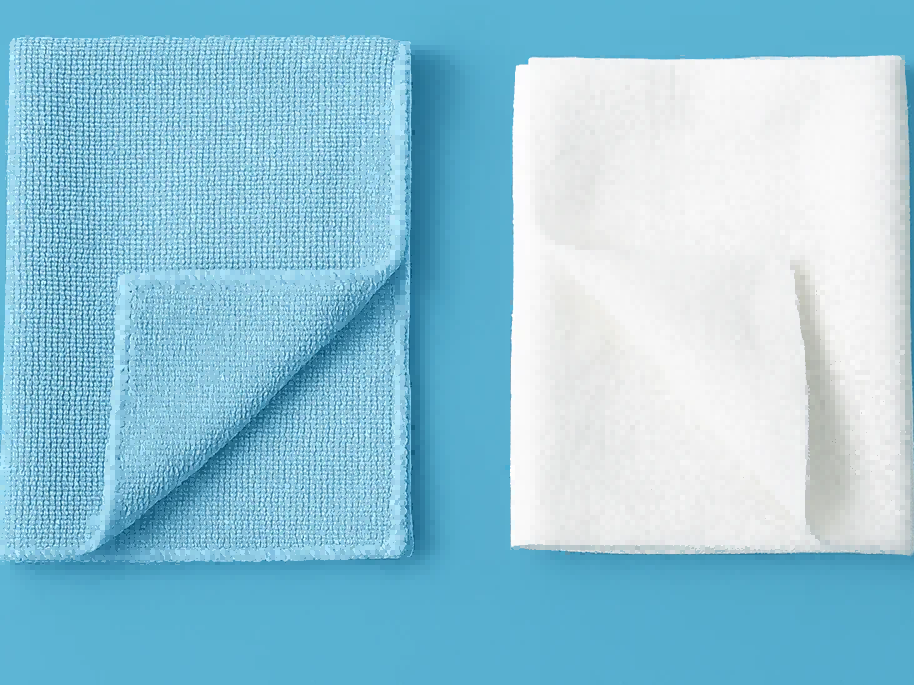
Most decent microfiber is made from a blend of polyester and polyamide. Usually like 80/20 or 70/30. The polyamide part is what's good at grabbing oils, which is why microfiber works for fingerprints without needing spray cleaners. I had to look up what polyamide actually is – it's basically nylon.
The difference between microfiber and regular cloths is that cotton has smooth, round fibers. When you wipe with cotton you're just sliding dust around the surface. Sometimes you're literally pushing particles into the material you're trying to clean, which is the opposite of helpful. Microfiber has those angular split fibers that actually hook onto dust and lift it away instead of moving it around.
Key Takeaway
At least that's how it's supposed to work. Clearly the one I grabbed from my car wasn't doing that.
Why Microfiber Works
Split fibers: Create a star shape that traps dust and dirt
Polyamide blend: Attracts and holds onto oils and fingerprints
Small fiber size: Reaches into tiny crevices regular cloths miss
High surface area: More fibers mean more cleaning power
Why Regular Cloths Fail
Smooth fibers: Just push dust around instead of trapping it
Cotton lint: Leaves behind fibers on the acrylic surface
Abrasive particles: Can scratch delicate acrylic surfaces
Poor oil absorption: Requires chemical cleaners for fingerprints
Why Acrylic Is Annoying to Clean
Okay so acrylic is technically called polymethyl methacrylate, which I only know because I looked it up after my incident. PMMA if you're trying to sound smart at a con. But the important thing is that it's softer than you'd think. It's actually softer than glass on whatever hardness scale they use for this stuff.
Which means normal dust can scratch it. Like, regular dust that's just floating around your room contains tiny silica particles that are harder than the acrylic surface. So if you just wipe dust around with a rough cloth, you're basically dragging sandpaper across your collectibles. This is what I learned the hard way.
Also, and this drives me crazy, acrylic builds up static electricity constantly. So it attracts dust like it's actively trying to get dirty. Clear acrylic is the worst for this – you can literally watch fingerprints appear on it.

Printing Technology Note
Most anime merchandise uses UV printing where they cure the ink directly onto the acrylic. It's pretty durable normally, but certain cleaning products can damage the print or the protective coating they put over it.
The whole thing is just kind of a pain to maintain, honestly. But I've got like 200 acrylic pieces at this point (I might have a problem) so I've had to figure this out.
Static Magnet
Acrylic builds up static electricity, attracting dust like a magnet no matter how often you clean it.
Fingerprint Magnet
Oils from your skin leave visible fingerprints that seem to appear instantly on clear acrylic surfaces.
Easily Scratched
Softer than glass, acrylic can be scratched by common dust particles that contain harder silica.
The Annoying Thing About Buying Microfiber Cloths
So you'd think "okay I need microfiber cloths, I'll just buy some" but it turns out there's like seventeen different kinds and they're not all good for the same things. I learned this by buying a bunch of different ones and testing them.
I use these mid-range ones for most of my collection now and they work fine.
For my most expensive pieces or anything holographic I use these because the extra softness means less pressure, which means less risk.
After my expensive mistake I bought two of the premium cloths for my best pieces. Are they worth it? I think so, but I'm also the person who spent $120 on acrylic charms so maybe my judgment is questionable.
There are also weird specialized types. Waffle-weave ones are textured and good for drying but too rough for regular dusting. Suede-finish ones are super smooth – that's usually what comes with expensive electronics. Edgeless ones don't have stitched borders that could potentially catch on stands.
My Recommendation
Honestly if you're just starting out, get a decent mid-range 6-pack and see how it goes. If you have particularly valuable pieces, grab one premium cloth for those. You can always buy more later.
How to Tell If a Cloth Is Actually Good
I wish I could just give you a link and say "buy this one" but different pieces need different things. Here's what I actually check:
The Feel Test
The feel test is surprisingly reliable. Run your hand across the cloth – good microfiber will kind of grab at your skin a little bit. It's almost like a gentle suction feeling, which sounds weird but you'll know it when you feel it. If it feels smooth like regular fabric, the fibers probably aren't split properly.
The Fingernail Test
You can also drag your fingernail across it lightly. Quality microfiber makes this soft squeaking sound with a little resistance. Cheap stuff just lets your nail glide across silently.
The Water Test
The water test thing works – drop some water on the cloth and see if it absorbs immediately or just sits there. Good microfiber sucks it right up and spreads it across the fabric.
GSM Rating
GSM ratings help if the package actually lists them, which a lot don't. I generally want at least 300 for regular cleaning, 350-400 for stuff I use a lot, and 400+ for expensive pieces. But half the time the package doesn't say so you're just guessing based on how thick it feels.
The Shed Test
Oh and definitely avoid cloths that shed when you rub them together. If you see loose fibers coming off, that's going to leave lint all over your acrylic.
Material Blend
The polyester/polyamide ratio matters too apparently. 80/20 is standard, 70/30 with more polyamide is better for oily fingerprints. Avoid 100% polyester if you can.
Red Flags to Watch For
And stay away from those super cheap bulk packs with bright colors that rub off. I saw someone on a forum say the dye particles stained their lighter acrylic pieces. I haven't personally tested this because I'm not risking it.
Microfiber Cloth Comparison
| Feature | Budget Cloth | Mid-Range Cloth | Premium Cloth |
|---|---|---|---|
| GSM Rating | 200-300 | 300-400 | 400-600+ |
| Material Blend | Often 100% polyester | 80/20 polyester/polyamide | 70/30 polyester/polyamide |
| Fiber Split | Minimal or none | Partial | Complete |
| Absorbency | Low | Medium | High |
| Lint-Free | No | Mostly | Yes |
| Best For | General cleaning | Most acrylic pieces | Holographic/valuable pieces |
| Price Range | $1-3 | $5-10 | $10-20 |
How I Actually Clean My Stuff Now
Regular Dusting
For regular dusting (which I do every few days for displayed pieces, more if I'm actually handling them):
- I fold the microfiber cloth into quarters so I have multiple clean surfaces to work with.
- Then just light sweeping motions – let the cloth do the work, don't press hard.
- I wipe in one direction instead of back and forth because that just moves dust around.
- If there's a stubborn spot I'll breathe on it first (your breath has just enough moisture) and then wipe immediately. Works surprisingly well.
- The main thing is rotating to a clean section of the cloth often. If you keep using a dirty section you're just redistributing particles which defeats the whole purpose.
Deeper Cleaning
For deeper cleaning when dry wiping isn't cutting it (maybe once a month or so):
- You need two microfiber cloths, distilled water because tap water leaves mineral spots, and maybe a drop of dish soap if there are gross oily fingerprints.
- I'll sometimes use 70% isopropyl alcohol for really stubborn stuff but I'm careful with it on printed surfaces.
- Dampen the first cloth – actually damp, not soaking wet. Wring it out really well because water pooling on acrylic can seep into edges and mess up the prints.
- Wipe in straight lines from top to bottom, then immediately follow with your dry cloth doing the same motion.
- If you see streaks after, it usually means too much water or soap. Just buff it gently with a dry section.

Taking Care of the Cloths Themselves
This matters more than I initially thought. A microfiber cloth only works if it's actually clean.
Washing Instructions
I try to wash mine after every 2-3 uses when I'm cleaning acrylic. Sometimes I go longer if I'm lazy, but I shouldn't.
Machine wash on gentle with warm water – not hot because apparently heat damages the fibers.
Use a little bit of liquid detergent.
Things to Avoid
No fabric softener: Ever. Not even a little bit. Fabric softener coats the fibers with this waxy substance that completely ruins their cleaning ability.
No dryer sheets: For the same reason as fabric softener.
Don't mix with cotton: Cotton lint embeds itself in the microfiber.
Air dry or low heat in the dryer. Again, no dryer sheets.
I just keep my clean cloths folded in a drawer separate from other cleaning stuff. Nothing fancy.
Replace them when they start shedding, feel rough, or stop grabbing at your skin when you do the feel test. For my anime collection specifically I try to replace cloths every 6-12 months even if they seem okay, because apparently the microscopic structure breaks down over time. Would rather spend $15 on new cloths than risk an expensive piece.
Wash Frequency
Every 2-3 uses for acrylic cleaning to prevent particle buildup.
Replacement Schedule
Every 6-12 months, even if they still look clean, as fibers break down over time.
Storage
Keep clean cloths separate from other cleaning supplies to avoid contamination.
What I Actually Use
After way too much trial and error, here's what I genuinely use and think is worth buying:

For Beginners
Get a 6-pack of MagicFiber cloths for like $15. Use three for your acrylic stuff (one for dusting, one for wet cleaning, one as backup) and the other three for whatever else.
This is honestly all most people need.

For Expensive Pieces
Add one or two ultra-premium cloths like The Rag Company Platinum Pluffle (yes that's really what it's called). They're about $10 each.
I have two of these for my most valuable items and I think they're worth it, but I'm also the person who learned this lesson the expensive way.

For Serious Collectors
I have maybe 8-10 cloths total of different types, plus the Novus plastic polish kit for scratches, and distilled water in a spray bottle.
But you definitely don't need all that to start.
Final Recommendation
Most people should just get that $15 pack and see how it goes. Don't overcomplicate it.
Mistakes I've Made (So You Don't Have To)
Using the Same Cloth for Everything
I used to just grab whatever microfiber cloth was nearby. But cloths I'd used for general household cleaning would pick up particles that would then scratch my acrylic. Now I keep my anime collection cloths completely separate and I'm weirdly protective of them.
Pressing Too Hard
When I first started being careful about this stuff I thought I needed to really scrub to get fingerprints off. You don't. If you're pressing hard, your cloth is either too dirty or not good enough quality. The microfiber should do the work.
Cleaning in Circles
I'd wipe in circular motions because that's what I do with everything else. But it creates swirl marks on glossy acrylic. Straight lines work way better.
Spraying Cleaner Directly on Acrylic
I sprayed cleaner directly on acrylic exactly once before realizing the spray was seeping into the edges and probably getting behind the print. Never again. Always spray onto the cloth first.
Ignoring Edges and Bases
I used to ignore the edges and bases of pieces. Dust builds up so much in corners and where the acrylic sits on the base. I use a corner of the cloth to get into those spots now, sometimes wrapping it around a plastic card if I need better reach.
Not Drying Immediately
Not drying immediately after wet cleaning was a mistake I only made once because the water spots and streaks were so obvious. Always follow wet cleaning right away with a dry cloth.
Special Cases That Need Extra Care

Holographic & Prismatic Acrylic
Holographic and prismatic acrylic pieces have special surface treatments that create those color-shifting effects. They're particularly vulnerable to scratching because any damage to that holographic layer is permanent and really obvious. For these I only use ultra-premium cloths with the lightest touch possible. Dry cleaning only – if it absolutely needs wet cleaning, just pure distilled water and immediate drying. No exceptions.

UV Printed Acrylic
Most modern anime acrylic uses UV printing where ink is cured directly onto the surface. These are generally durable but alcohol-based cleaners can damage them, and prolonged moisture exposure is bad for the edges. I stick to dry cleaning 90% of the time. If I need to wet clean, it's only distilled water with maybe one drop of unscented dish soap.
Clear Acrylic
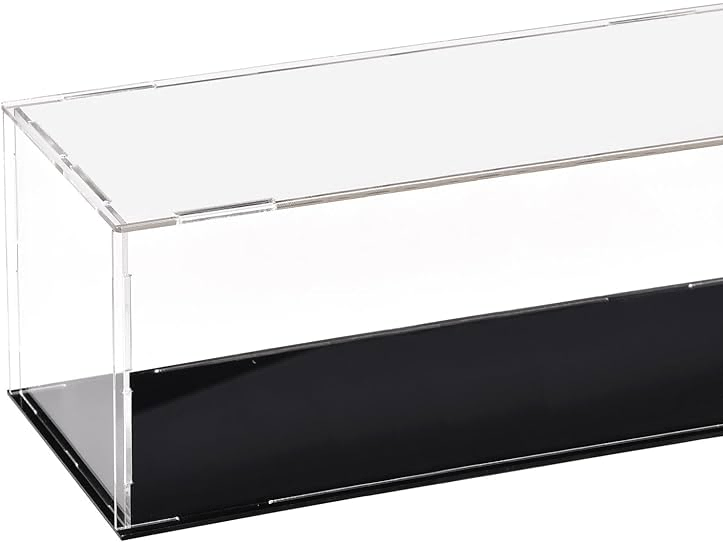
Clear acrylic shows every single speck of dust and every fingerprint. It needs more frequent cleaning and honestly higher quality cloths. I keep a dedicated ultra-premium cloth just for clear pieces. The breath-and-wipe technique works great for fingerprints on clear acrylic – breathe directly on the spot and wipe immediately while it's still slightly moist.
Frosted or Matte Acrylic
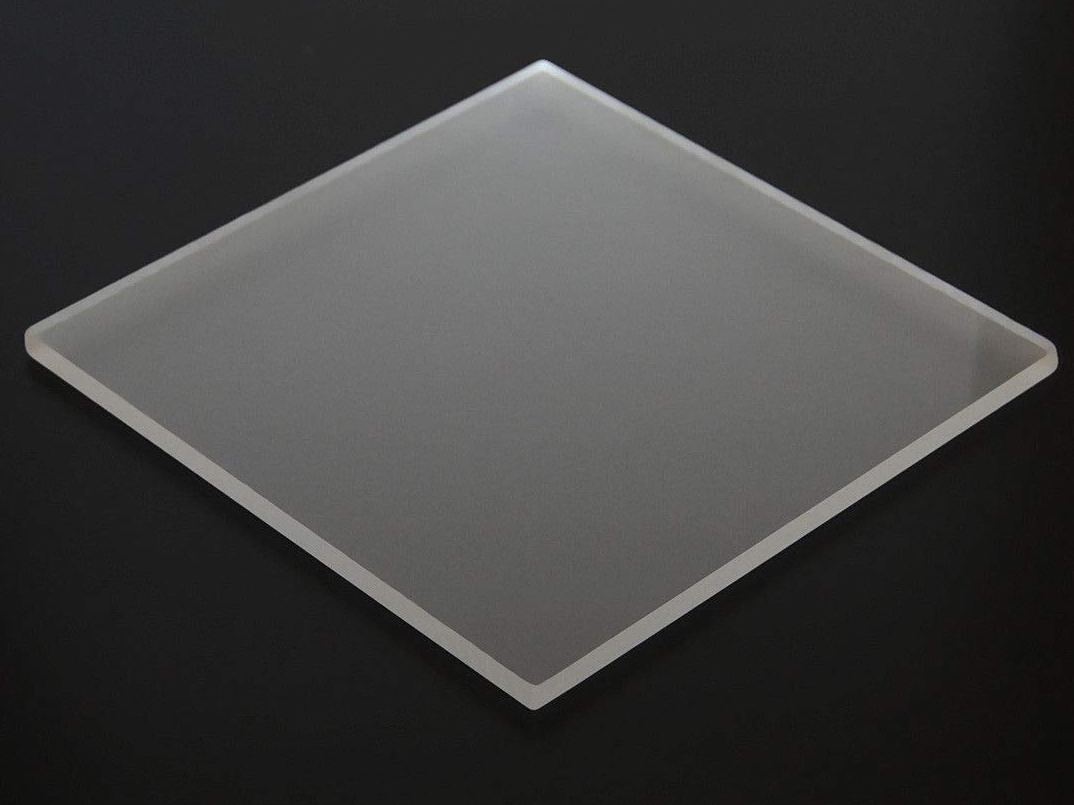
Frosted or matte acrylic traps dust more easily but also hides imperfections better. You can use slightly more pressure than with glossy acrylic (still gentle though). Wet cleaning works well here since streaks are less visible on the matte texture.
Glitter/Confetti Acrylic
Some pieces have glitter or confetti sealed between two acrylic layers. The edges are super vulnerable on these – never let moisture reach them. Clean only the outer surfaces and be really careful.
My Actual Maintenance Schedule
This is what I actually do, not what I think I should do:
Every 2-3 Days
I dust displayed pieces with a dry microfiber cloth. Takes maybe 10 minutes for my whole collection.
Weekly
I do a more detailed inspection and make sure display shelves are clean.
Monthly
I do wet cleaning on pieces that have built up any residue or fingerprints. I also wash all my microfiber cloths.
Every Few Months
I do a comprehensive review of everything – check for any developing issues, replace worn cloths, reorganize displays if needed.
Once a Year
I replace all my microfiber cloths even if they seem fine, because the fiber structure degrades over time and I'd rather be safe than sorry.
Is this excessive? Maybe. But I haven't had another $120 mistake in three years so I'm calling it a win.
When Things Go Wrong
Minor Scratches
The kind where your fingernail doesn't catch can usually be polished out with Novus #2 fine scratch remover applied to a microfiber cloth. Rub in circles for 30-60 seconds, wipe clean with damp cloth, finish with Novus #1, final buff with dry cloth.
Moderate Scratches
Where your nail catches slightly need Novus #3 first (heavy scratch remover), then #2, then #1. This works but be aware you're removing a thin layer of acrylic. Use it sparingly.
Deep Scratches
Or gouges... honestly, those usually can't be fully fixed without professional restoration. Sometimes you just have to accept the damage or consider replacement for really valuable pieces.
Cloudiness or Hazing
Usually from micro-scratches or cleaning product buildup. Clean thoroughly with distilled water and microfiber, then apply Novus #1. If that doesn't work, try plastic polish like PlastX. As a last resort use Novus #2 for light compound action.
Random Tips That Actually Help
The Two-Cloth System
Use one cloth for initial cleaning, a second ultra-premium cloth for final polishing. Prevents redistributing particles during the polishing phase.
The Breathing Technique
Breathe directly onto fingerprints or smudges, wipe immediately while moist. This works surprisingly well and is gentler than any spray cleaner.
Light Test
After cleaning, check pieces under different light angles. Direct overhead light shows streaks, side-angle light shows scratches, backlighting reveals embedded particles.
Mix Quality Levels
Use ultra-premium cloths only for limited editions, holographic pieces, and clear acrylic. Use standard premium cloths for everything else in display cases. Saves money without sacrificing results.
Look, Here's the Bottom Line
Your anime collection represents actual money and probably some emotional attachment to specific characters or series. Every standee, charm, and display piece you've carefully selected deserves basic protection from dust, fingerprints, and wear.
Microfiber cloths are the simplest, most effective tool for that protection. A $15 investment in decent cloths plus consistent basic care will keep everything looking good for years.
I still have that scratched holographic piece on my shelf. It reminds me that the difference between preservation and deterioration often comes down to simple choices – like which cloth you grab when you see a fingerprint.
Just don't use whatever's nearby. Take the extra five seconds to grab the right cloth. Your collection will actually thank you.

Quick Reference (Because I Know You'll Want This)
Cleaning Frequency
Every few days: Dry dust with microfiber, light touch, straight wipes
Weekly: Detailed dusting, spot-clean fingerprints with the breath technique
Monthly: Wet clean with distilled water, dry immediately, wash your cloths
Problem Solving
For sticky stuff: Water and vinegar solution
For scratches: Plastic polish
For cloudiness: Novus #1
Never Use
Fabric softener on cloths
Paper towels on acrylic
Circular motions
Spray directly on pieces
Pressure when cleaning
Cloth Selection
350+ GSM
80/20 polyester/polyamide blend
Edgeless is nice
Split fibers


