


Polycarbonate and Acrylic Material Differences Explained
Which One to Buy? First, Understand the Names
I've lost count of the times I've watched friends march into a hardware store mumbling something about "clear plastic sheets" and end up with the wrong stuff-or worse, nothing at all because the clerk just sighs and points to the door. Lesson learned the hard way: you gotta speak the lingo, or you're sunk.
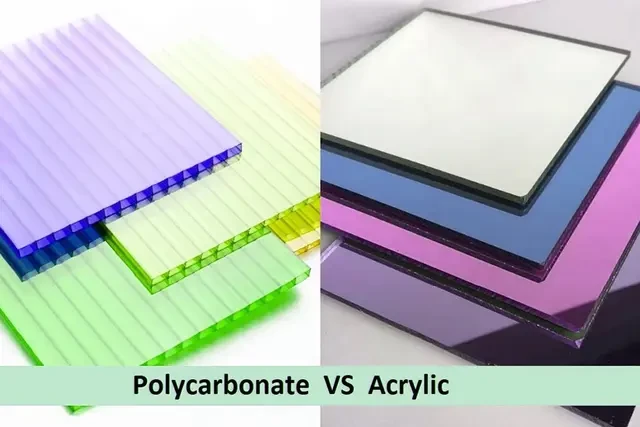
Polycarbonate? That's the beast behind names like Lexan or Makrolon. Folks hype it as "bulletproof glass," but trust me, it's no glass at all-just a ridiculously resilient plastic that laughs off punishment. I once saw a demo where they swung a bat at a panel of it, and the bat bounced like it hit a trampoline.
Then there's acrylic, the everyday hero we all know as Plexiglas. Brands like Acrylite or Lucite pop up everywhere, but nobody's dropping the fancy PMMA label in casual conversation. Chem nerds aside, it's the stuff that mimics glass without the deadly shards.
Both fool the eye into thinking they're glass from a distance. But grab a utility knife or channel your inner Thor with a hammer, and boom-the truth hits. One flexes like a gymnast; the other snaps like dry spaghetti.
Toughness: One Tough, One Brittle
If toughness is your hill to die on, this is where polycarbonate pulls ahead by a mile. Picture this: you're in the garage, sledgehammer in hand, testing a sheet for a workbench guard. With polycarbonate, the tool glances off, maybe leaves a dimple, and your arm's the one complaining from the rebound. It's not hype-it's got impact resistance that's north of 200 times glass's, which is why you'll spot it in riot shields or those chain-link barriers at hockey rinks (yeah, the ones that take a puck to the face without flinching). I built a dog-proof enclosure once with it, and after a few enthusiastic charges from a 100-pound lab, it held up like a champ. No drama.
Acrylic? It's no slouch-beats glass for sure, and it won't explode into a million pieces like a dropped windowpane. But push it too far, and it fights back with a sharp crack. Drilling a hole for a shelf bracket? Go slow, back off the speed, or you'll hear that telltale pop and curse your afternoon. I've cracked more sheets than I care to admit rushing a project.
Which is More Scratch-Resistant? (Spoiler: Both Are Terrible)
Marketing loves to gloss over this, but let's call it: neither is a champ against everyday wear. Acrylic edges out with a tad more hardness-think of it as the tougher sibling that still nicks if you rub it with a rough thumb. I've used it for indoor displays, and after a year of wiping fingerprints, it's got those faint swirls that bug you under lights.
Polycarbonate, though? It's like catnip for scratches. One swipe with a dry shop rag that's picked up some grit, and you've got a roadmap of micro-lines staring back at you. Outdoor use is a gamble-say, slapping it on a greenhouse panel or ATV windshield. Skip the hard-coated version, and in six months, it'll haze up like an old pair of sunglasses after a dust storm. I learned that rebuilding a neighbor's birdhouse roof; by winter, it was a foggy mess, and the birds didn't care, but I did.

The Fatal "Windex Test" - Never Do This to Polycarbonate
Oh man, the Windex horror stories could fill a forum thread. I remember helping a buddy clean his new polycarbonate motorcycle fairing-he grabbed the blue bottle from habit, and two weeks later, it was clouding like milk glass, edges turning brittle. Ammonia (or heck, even brake fluid from a spill) eats at polycarbonate on a molecular level, turning clarity into a hazy nightmare. Acrylic's a bit more forgiving; it shrugs off mild cleaners better, though slam it with acetone or harsh solvents, and it'll melt like ice cream in July.
Safe cleaning rule: lukewarm soapy water + microfiber cloth. Rinse, dry gently-no paper towels unless you want bonus scratches. Boring advice, but it saves wallets.
Sunlight Performance: Where Acrylic Absolutely Dominates
Here's where acrylic flexes its long-game muscles. I've got scraps from a '90s project baking in the backyard shed-still crystal-clear, no yellowing, no embrittlement. It's UV-stable out of the box, which is why it's a go-to for outdoor signs or patio enclosures that need to stay see-through forever. Tesla's massive Gigafactories in Texas and Nevada use similar durable transparent panels for skylights and walls-millions of square feet flooded with natural light, no fading, keeps energy bills down and workers happy.
Polycarbonate? It starts strong but fades like cheap jeans. Without UV coating, direct sun turns it yellow and foggy in 2–3 years-think oxidized headlights on a 2010 Civic. Pay extra for the treated stuff if you're doing a sunroom or a roof that has to last.
Price and Processing: Will It Hurt Your Wallet?
Back in the day, polycarbonate cost an arm and a leg. Now in 2025 the gap has shrunk a lot.
Price tiers (roughly):
Budget: Extruded acrylic - dirt cheap, but melts on the drill bit
Mid-range: Cast acrylic or basic polycarbonate
Premium: Hard-coated + UV-protected polycarbonate
Processing difficulty:
Polycarbonate = DIY heaven. Cut with scissors, cold-bend, drill like butter. I made a toolbox organizer last weekend in 20 minutes, zero swearing.
Acrylic = high-maintenance diva. Needs fine-tooth blades, taped holes, slow speeds, or it chips and cracks. Been there, botched a picture frame, started over-lesson in humility.

Summary: The Two Golden Rules
Choose polycarbonate if:
It might get kicked, hit, dropped, or you'll be drilling/bending it in your garage
Toughness > everything else
Choose acrylic if:
It will sit in direct sunlight for years
Crystal clarity matters more than impact resistance
Nobody's going to abuse it
Either way: measure twice, buy a small scrap to test first, and your future self will high-five you.


